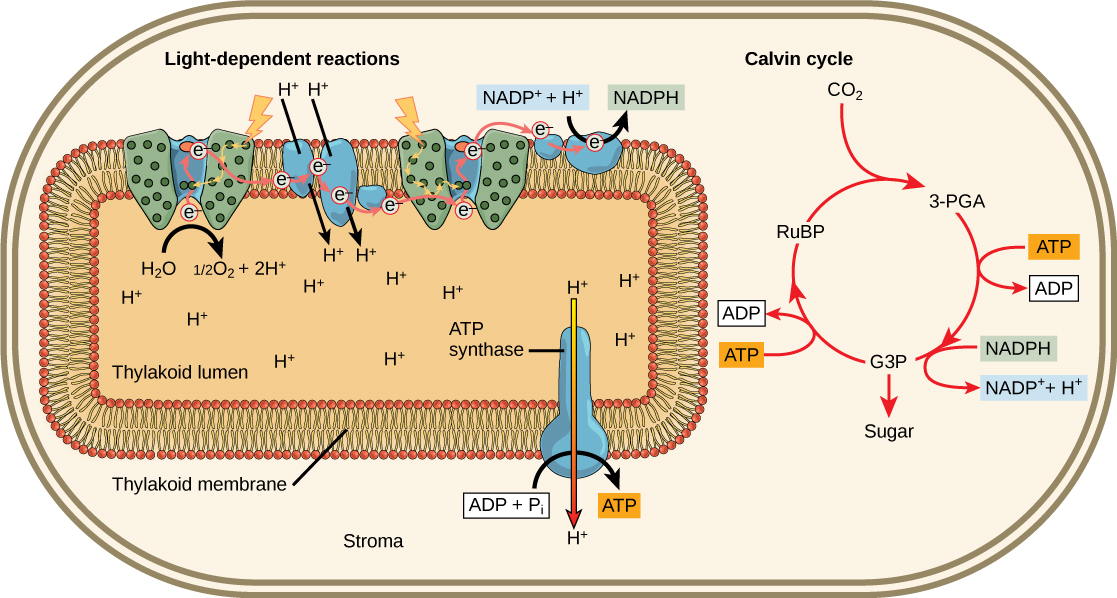
Transfer Of Electrons During The Light Dependent Reactions In Plants
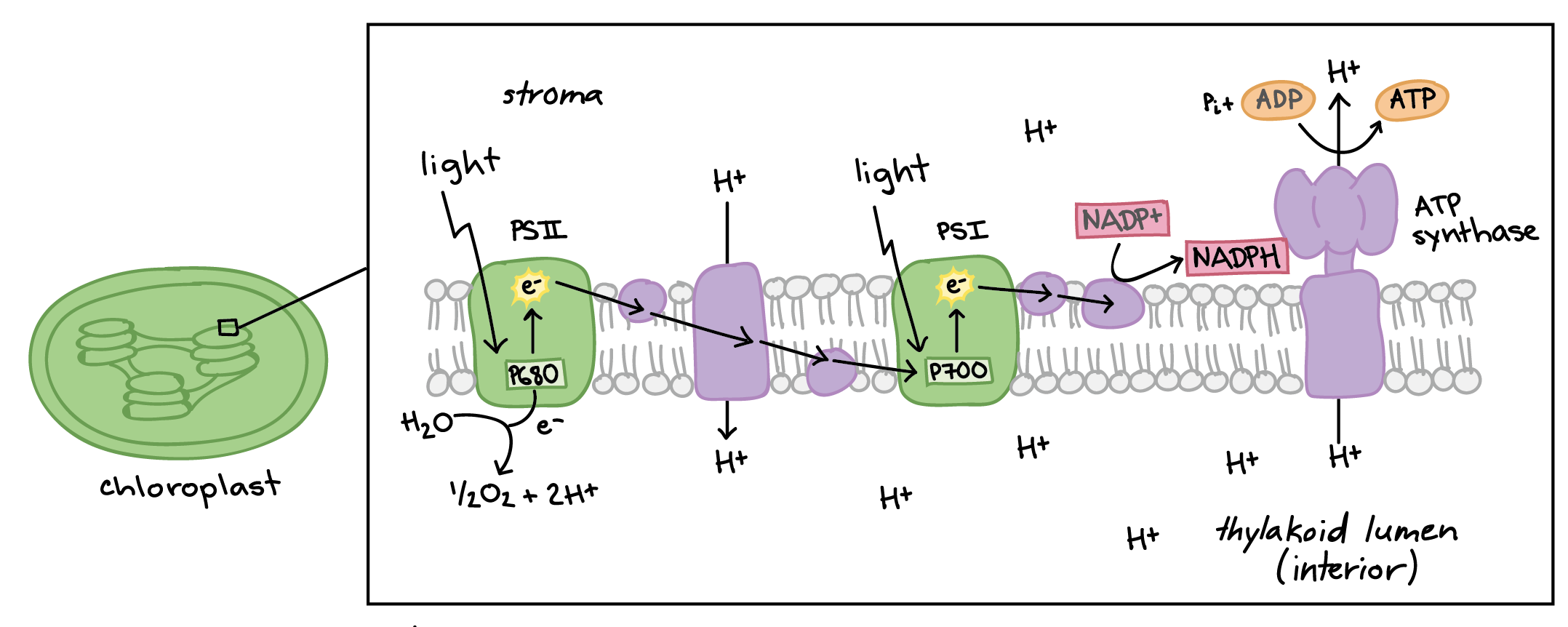
Light Dependent Reactions Photosynthesis Reaction Article Khan Academy
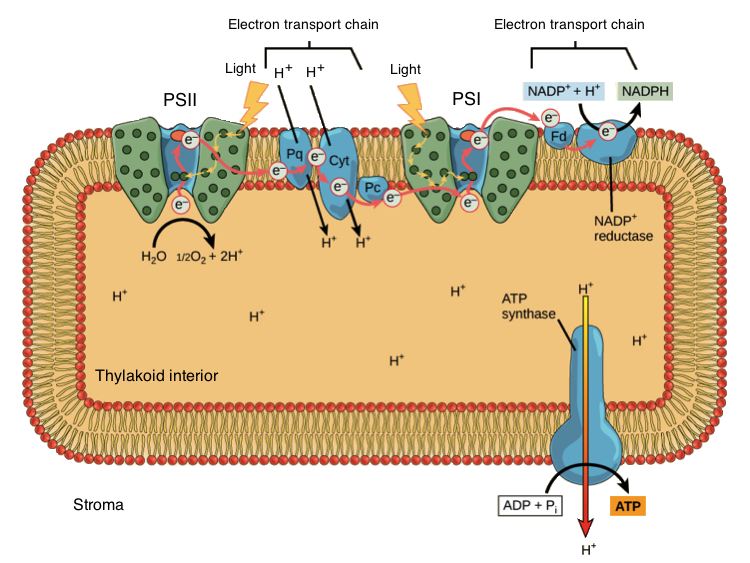
Light Dependent Reactions Photosynthesis Reaction Article Khan Academy

Light Dependent Reaction Simple English Wikipedia The Free Encyclopedia
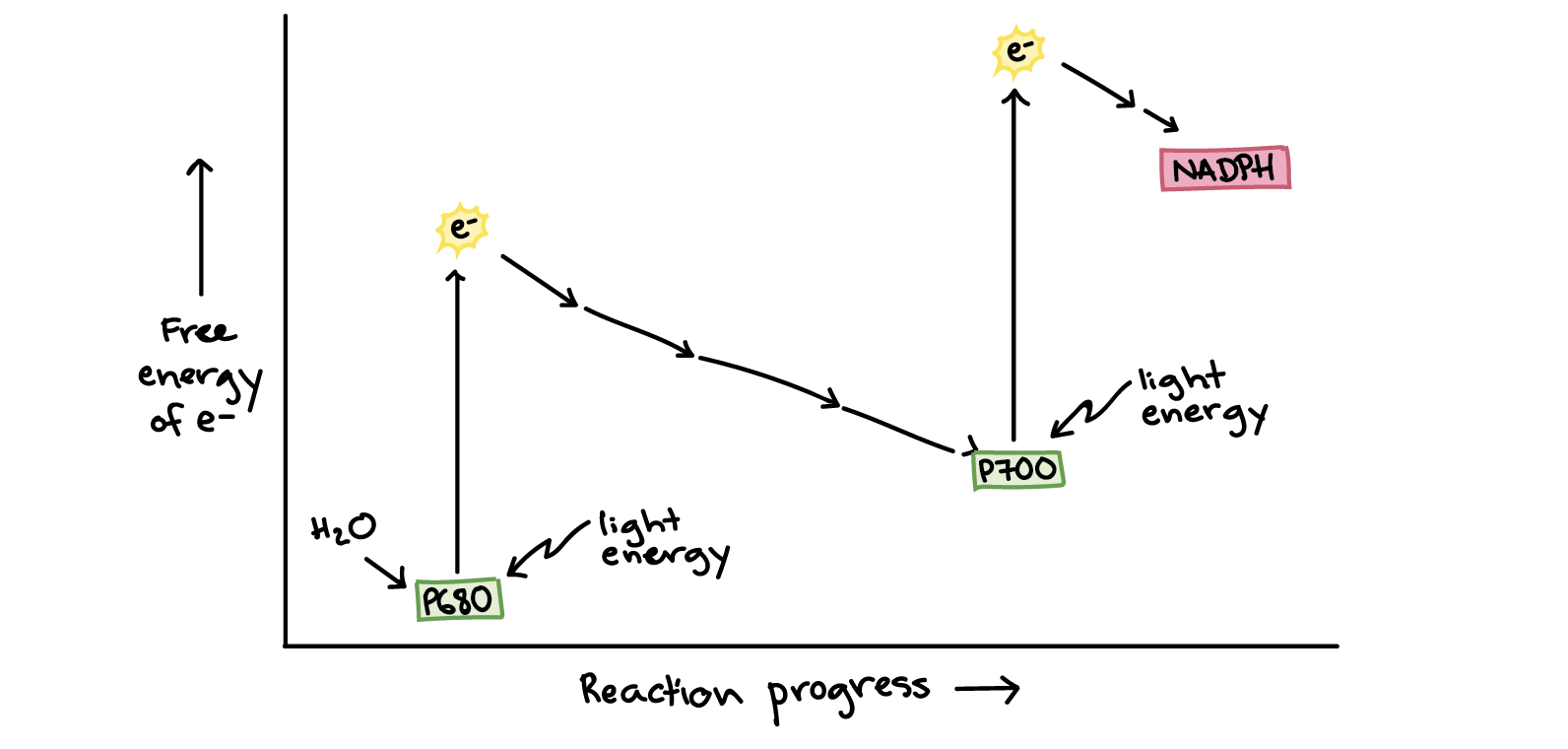
Light Dependent Reactions Photosynthesis Reaction Article Khan Academy
Light Reaction Reaction Steps Photosynthesis With Examples And Videos
Light Dependent Reactions Photosynthesis Reaction Article Khan Academy

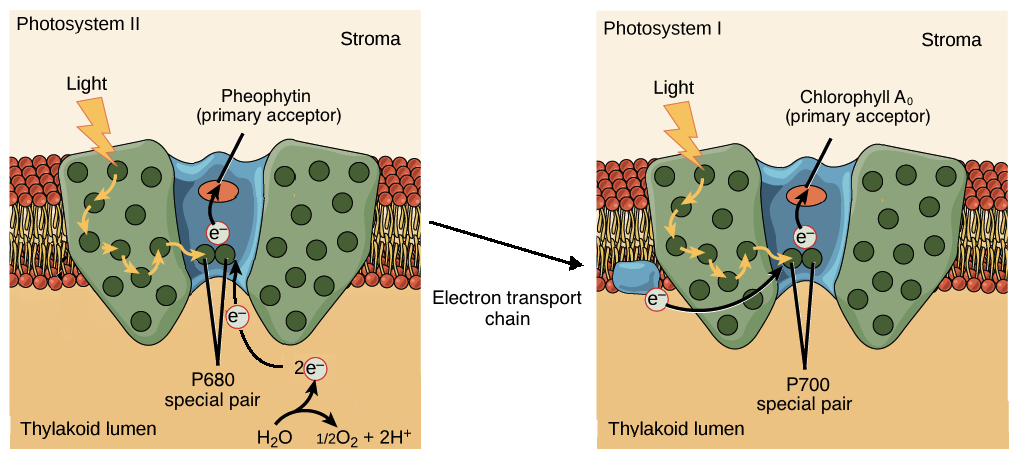
The ultimate purpose of exciting electrons from chlorophyll is to provide the energy needed to transfer electrons from water to NADP.
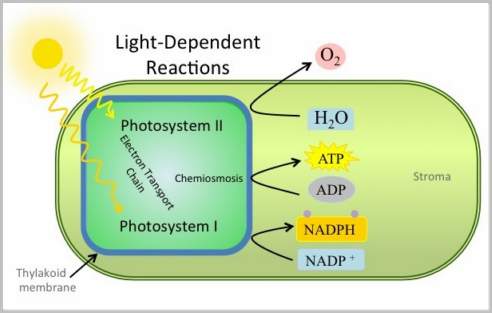
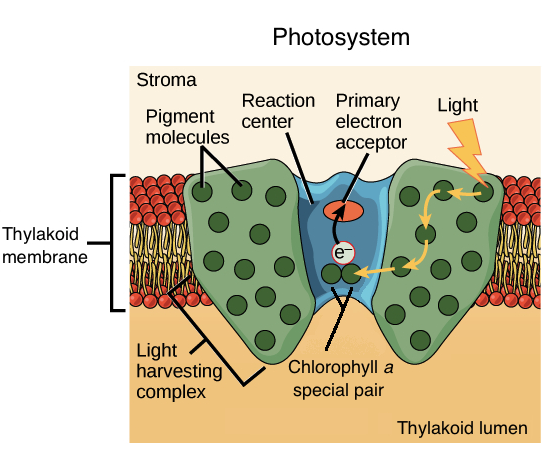
Transfer of electrons during the light dependent reactions in plants. Light-dependent reaction plants convert light energy into chemical energy. This process occurs in a complex protein system which is collectively called as a photosystem. Light provides energy for the chlorophyll molecule that releases electrons.
Protein complexes and pigment molecules work together to produce NADPH and ATP. Light energy absorbed by the pigment particles of the antenna complex is moved ultimately to the reaction center. There the light energy is converted into chemical energy.
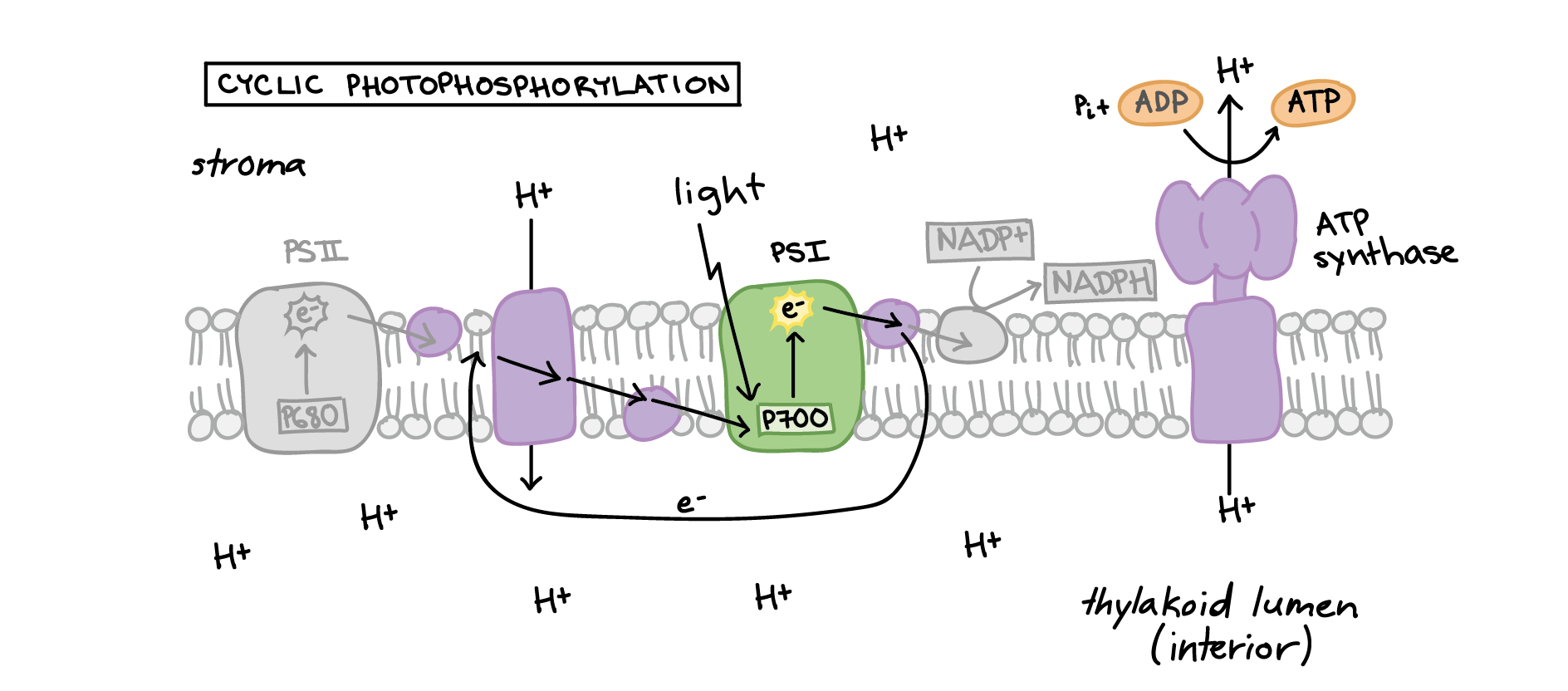
Ammonium hydroxide has slowed electron transfer along electron transport chain to DCPIP. This process is called cyclic electron flow. The energy of the absorbed light transfers hydrogen ions and electrons to NADP changing it to nicotinamide adenine dinucleotide phosphate NADPH.
2112003 The light-dependent reactions begin in photosystem II. Transfer of electrons from water to ferredoxin via the two light reactions and intermediate carriers is called noncyclic electron flow. Electrons are passed from Q B H 2 to a membrane-bound cytochrome b6f concomitant with the release of two rotons to the luminal side of the membrane.
Now that the solar energy is stored. However the highly organized electron carrier molecules embedded in chloroplast membranes order the flow of these electrons directing them through electron transport chains ETCs. These reactions take place in the thylakoid membranes of chloroplasts.
ATP synthase Large protein that uses energy from H ions to bind ADP and a phosphate group together to produce ATP. 2H₂O 4H 4e- O₂. In light-dependent reaction light energy excites electrons in chlorophyll molecules powers ATP synthesis and results in the reduction of NADP to NADPH.
Light Dependent Reactions Bioninja

Light Reaction Equation Steps Expii

Light Dependent Reactions An Overview Sciencedirect Topics

The Light Dependent Reactions Of Photosynthesis Biology For Non Majors I
Light Dependent Reactions Photosynthesis Reaction Article Khan Academy

Light Dependent Reactions Of Photosynthesis Tutorial Sophia Learning

Conceptual Overview Of Light Dependent Reactions Video Khan Academy

Light Dependent Reactions Actors Video Khan Academy
Light Dependent Reactions Photosynthesis Reaction Article Khan Academy

Fhs Bio Wiki Photosynthesis Light Reaction

Light Dependent Reactions Of Photosynthesis Capp

Photosynthesis Microbiology

Light Dependent Reactions Combo Flashcards Quizlet