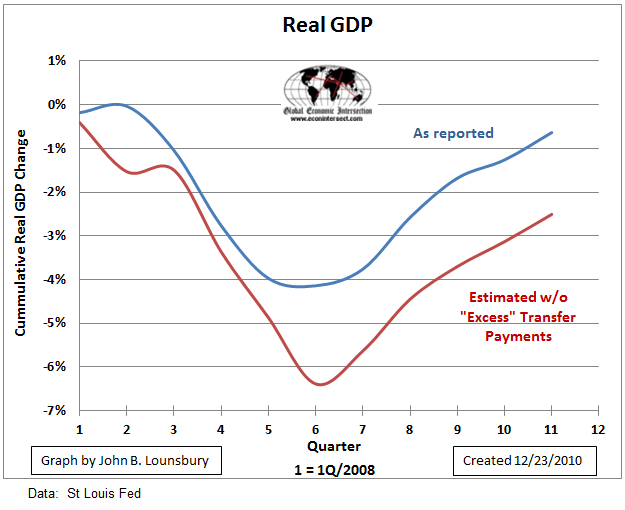
Transfer Payments Effect On Aggregate Demand
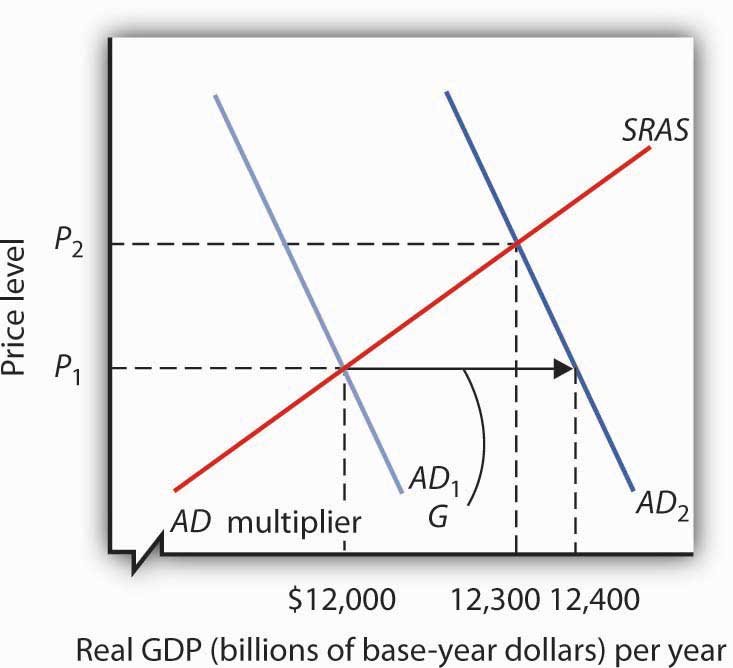
Reading Tax Changes Macroeconomics Deprecated
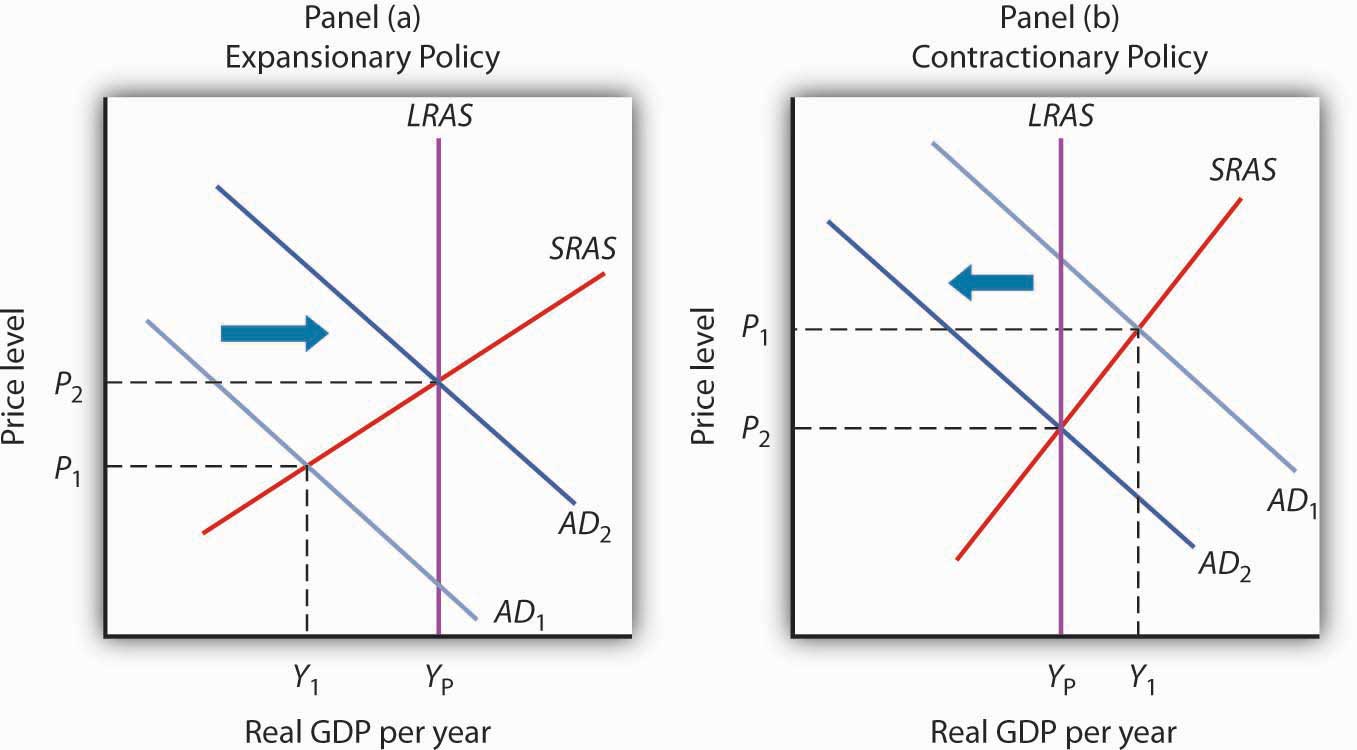
Reading Tax Changes Macroeconomics Deprecated
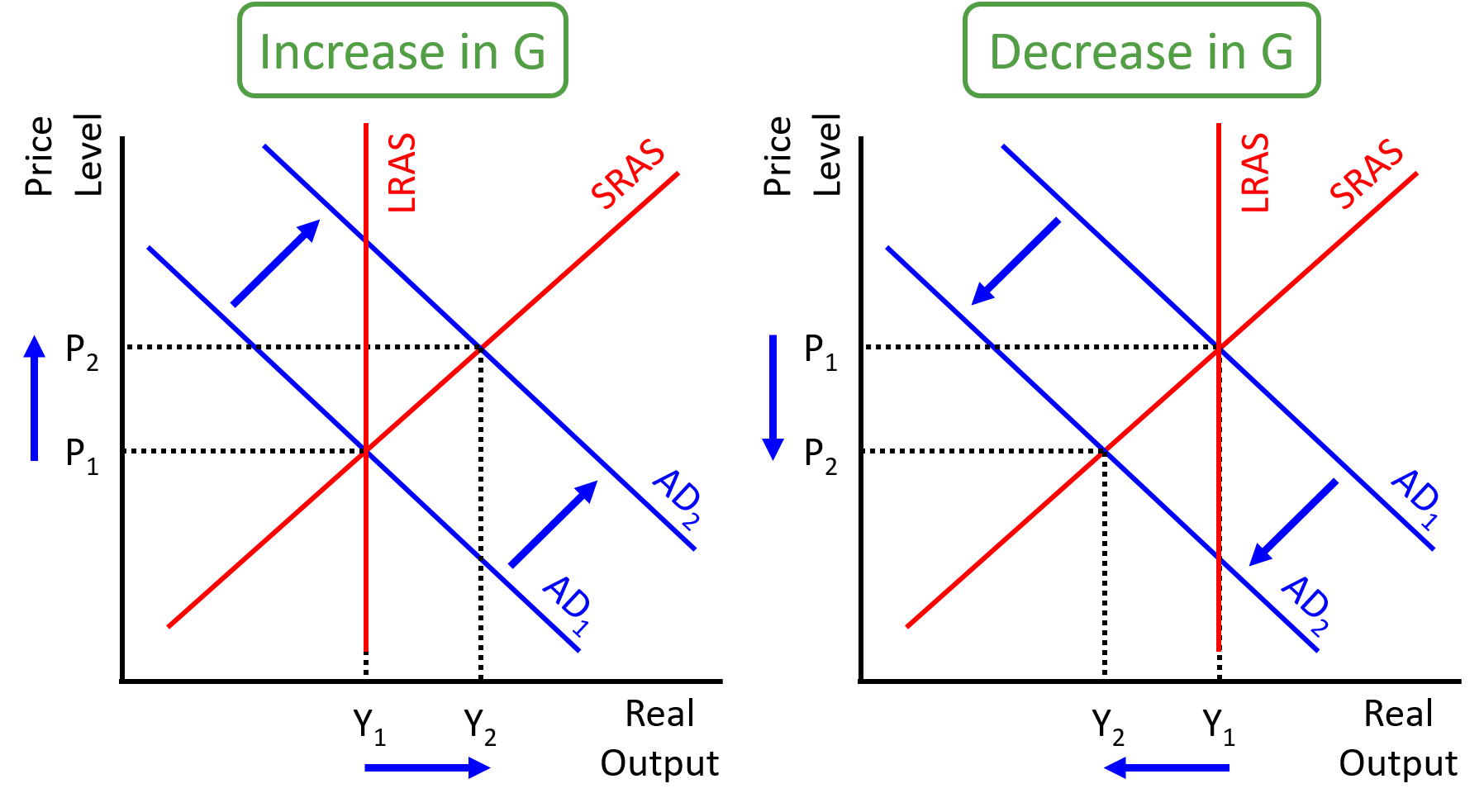
Education Resources For Teachers Schools Students Ezyeducation

Transfer Payments An Overview Sciencedirect Topics
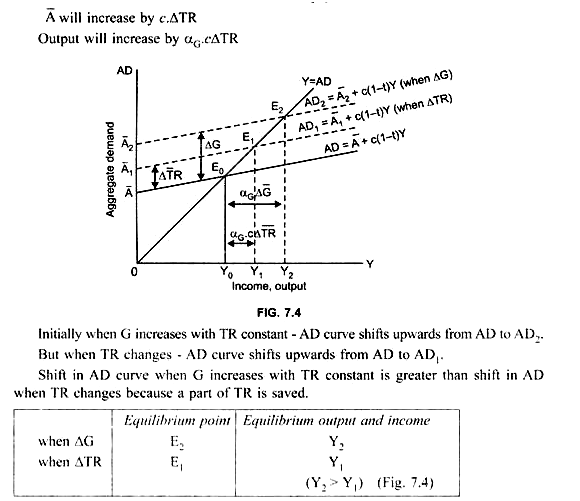
Effects Of A Change In Fiscal Policy On The Equilibrium Level Of Income
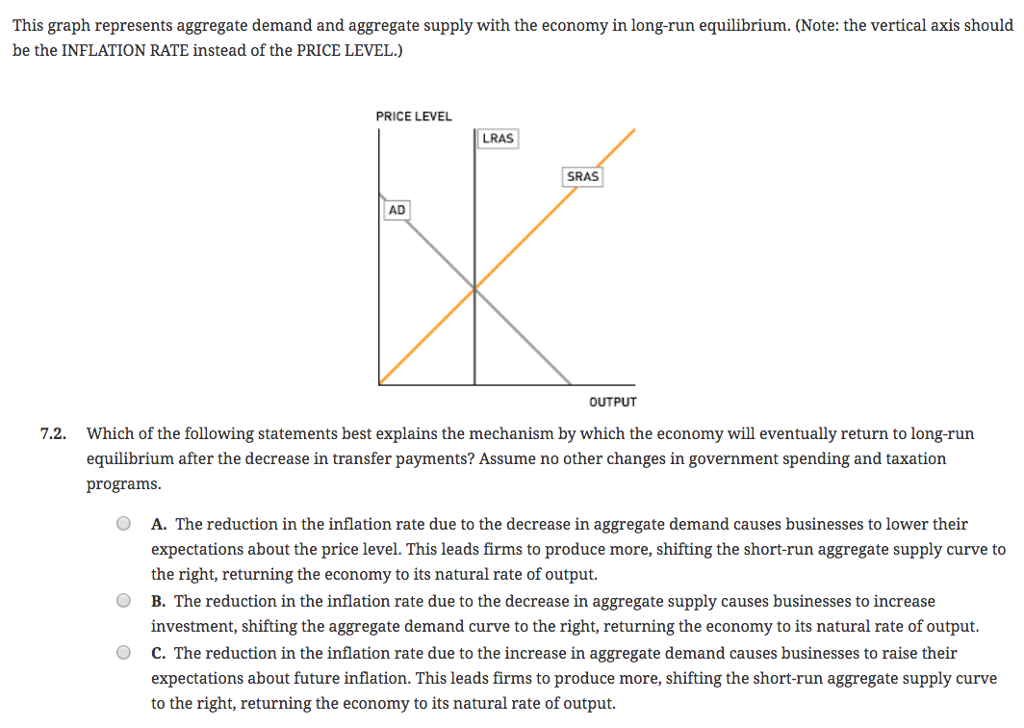
Solved This Graph Represents Aggregate Demand And Aggrega Chegg Com
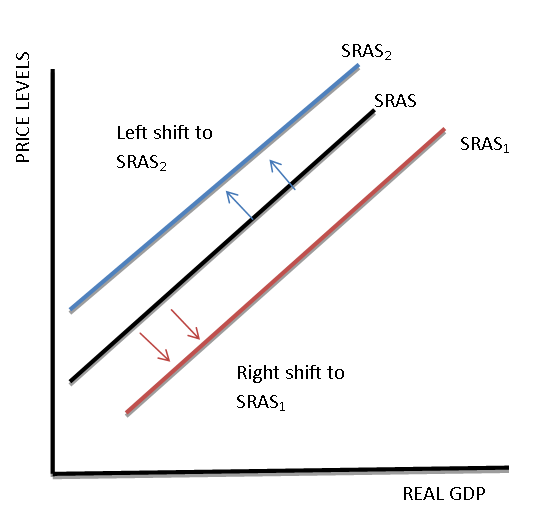
It has the same effect as a tax cut which increases AD but with a.
Transfer payments effect on aggregate demand. Chapter 11 Problem 3QD is solved. 1312020 Fiscal policy therefore is the use of government spending taxation and transfer payments to influence aggregate demand and therefore real GDP. Government spending taxes and transfer payments.
People paying income taxes to another ie. Check out a sample QA here. Transfer payments involve transferring money from the less needy to the more needy.
Rightward aggregate demand shifts emanating from the LM curve. If you imagine the government as the doctor carrying the medical kit these three things are in the toolkit. The payments and taxes themselves are not part of the aggregate demand equation.
In this case the transfer payments overcome institutional failures or frictions which prevent households from borrowing to temporarily finance consumption. Pensioners drawing their state pension having. In Keynesian economics the transfer payments multiplier or transfer payment multiplier is the multiple by which aggregate demand will increase when there is an increase in transfer payments eg.
Transfer payments in the form of benefits eg. The AD curve shifts when any of the components of AD changeconsumption C investment I government spending G exports X. Even though no production takes place through the transaction of the transfer it is nevertheless a monetary injection to the economy therefore it can increase the money supply and as a.
For example increases in autonomous transfer payments will raise aggregate demand since it raises disposable income which in turn raises demand. How does an increase in government transfer payments affect aggregate demand. An exogenous decrease in taxes levied.

Transfer Payments Youtube
What Shifts Aggregate Demand And Supply Ap Macroeconomics Revie
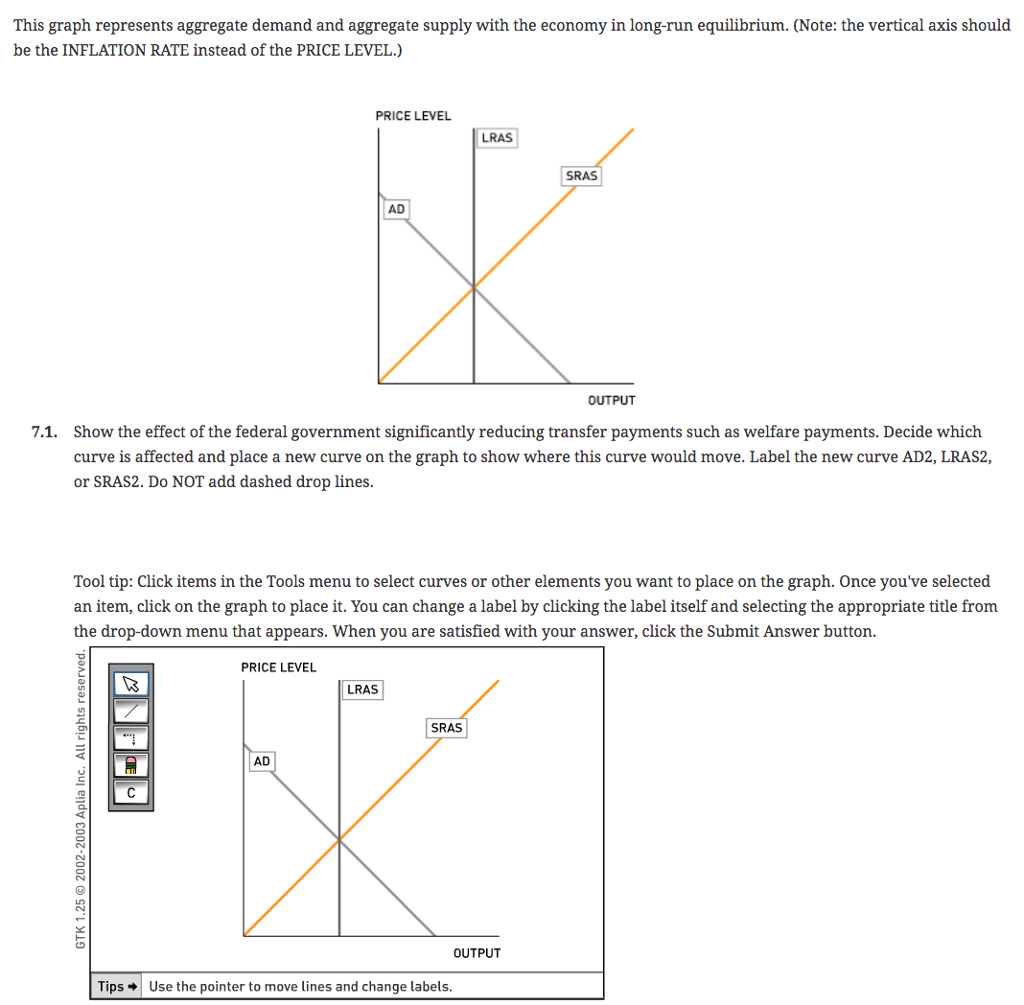
Solved This Graph Represents Aggregate Demand And Aggrega Chegg Com
/Cash-Wallet-GettyImages-492644377-56a179833df78cf7726b02c4.jpg)
Transfer Payment Definition

Pin On Macro Economic
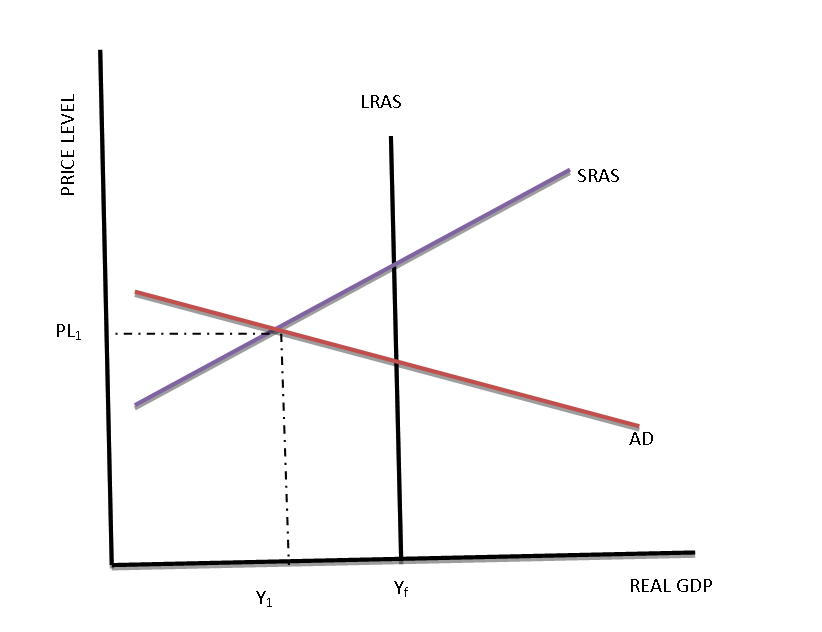
What Shifts Aggregate Demand And Supply Ap Macroeconomics Revie
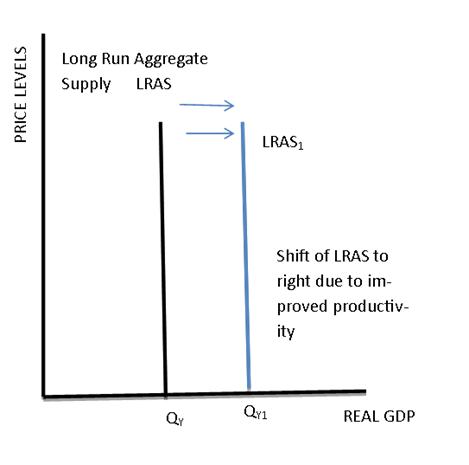
What Shifts Aggregate Demand And Supply Ap Macroeconomics Revie

The Four Sectors Of The Economy Circular Flow Of Income Macroeconomics Accounting And Finance
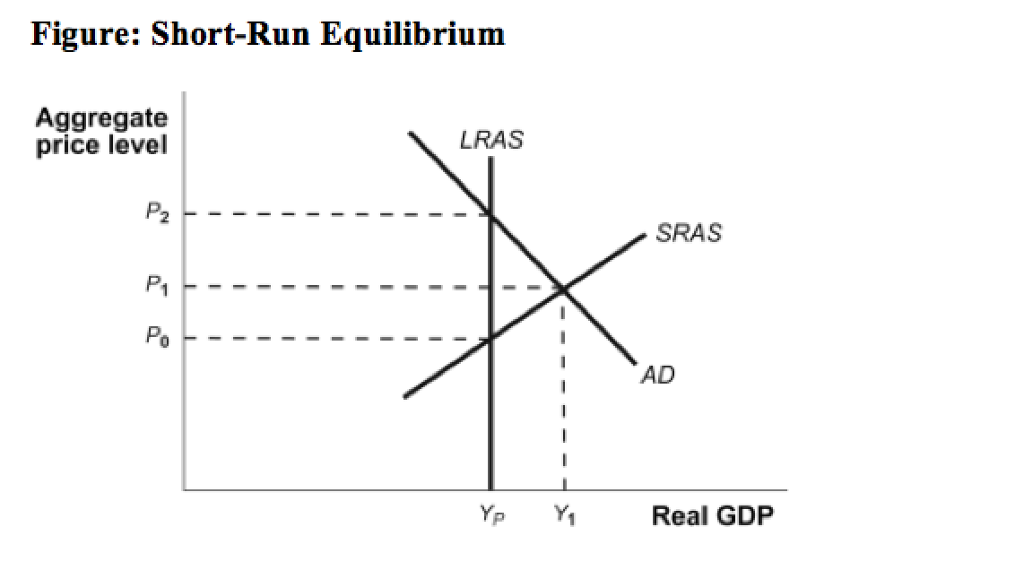
Solved 28 Figure Short Run Equilibrium The Accompanyi Chegg Com

24 Measurement Of National Income Economics Lessons Teaching Economics Economics Notes

Pin On Compare Money Transfer Remittance Companies
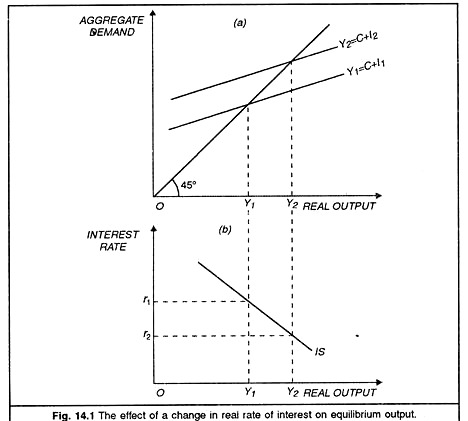
Is Curve Subject Matter Shifting Slope And Position With Diagram

Image Result For Three Sector Economy Model Financial Investments Investing Economy