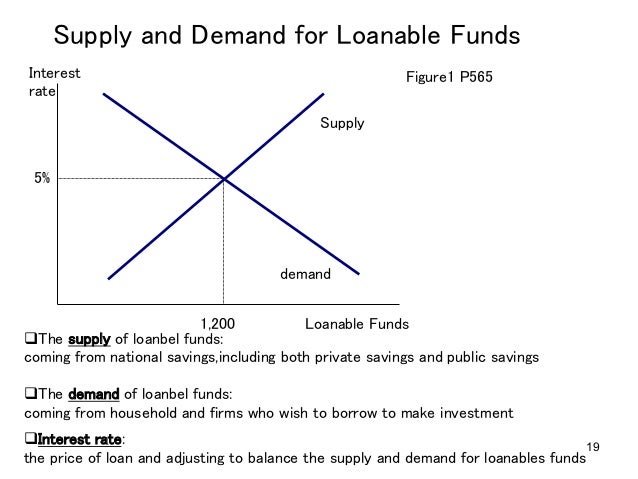
Transfer Payments Loanable Funds

Reading Loanable Funds Macroeconomics

Reading Loanable Funds Macroeconomics

Apmacro Loanable Funds Tamoclass

The Loanable Funds Fallacy Real World Economics Review Blog
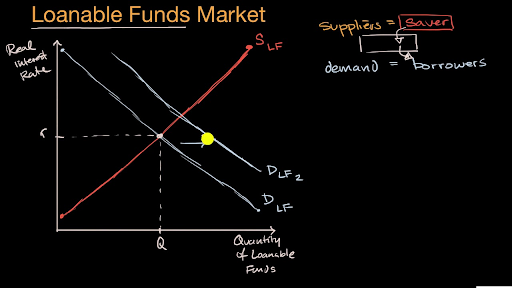
Loanable Funds Market Video Khan Academy
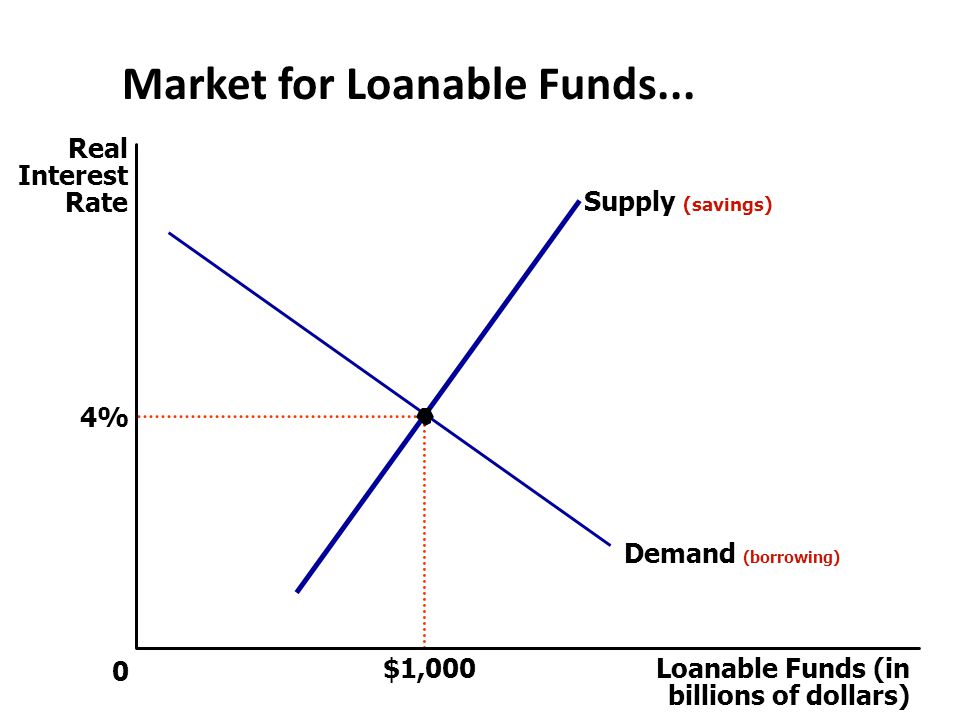
The Market For Loanable Funds Chapter 13 The Market For Loanable Funds Financial Markets Coordinate The Economy S Saving And Investment In The Market Ppt Download
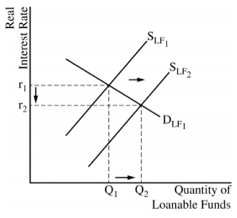
The resulti view the full answer.
Transfer payments loanable funds. These payments are considered to be non-exhaustive because they do not directly absorb resources or create output. High-interest rates cause a decline in demand for loanable funds. A balance of payment deficit makes interest rates rise.
Private sector disposable income GDP - Taxes Transfers 6000 - 1500 500 5000. 21 - Which direction will an increasing budget deficit. If a bank receives a deposit of 3000 and loans out 2000.
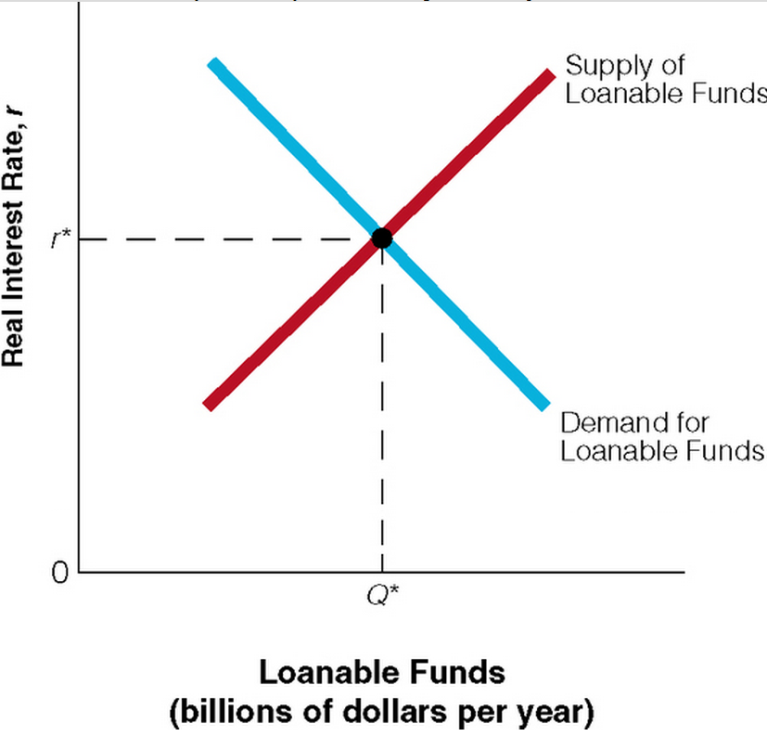
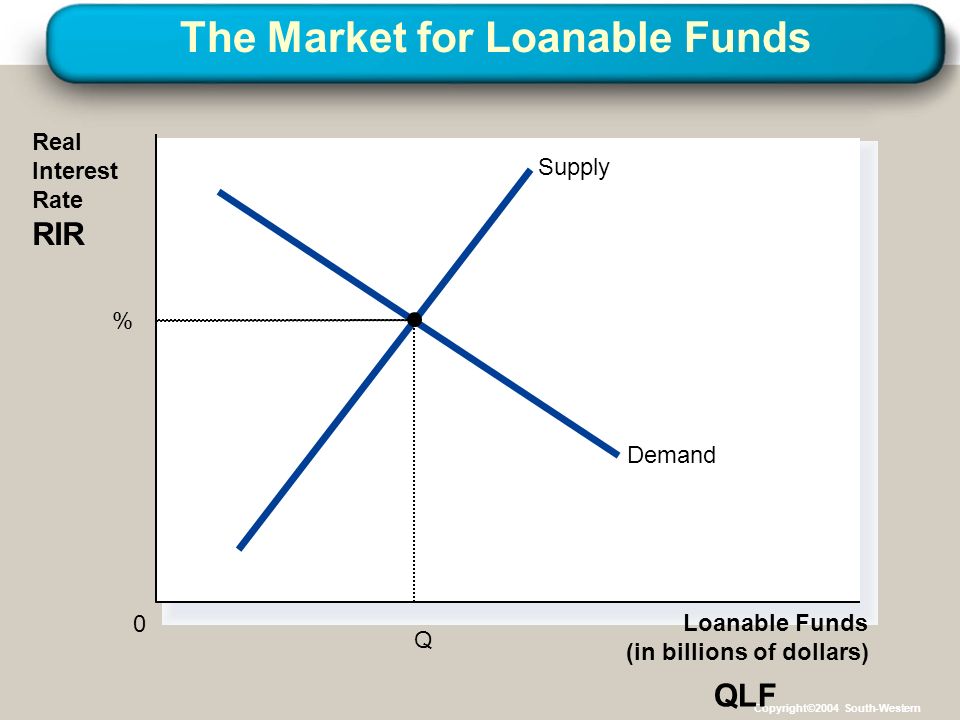
6122014 The market for loanable funds determines the equilibrium interest rate and quantity of loans being provided within an economy. In macroeconomics and finance a transfer payment also called a government transfer or simply transfer is a redistribution of income and wealth by means of the government making a payment without goods or services being received in return. B The demand for loanable funds increases.
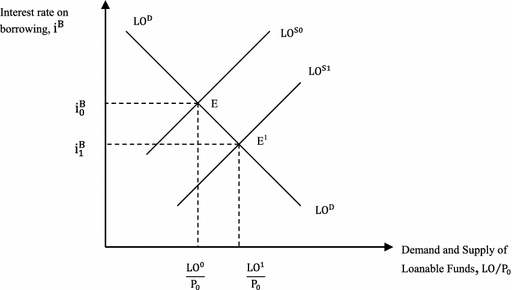
Reserves increases by 1000 total assets increase by 3000 and total liabilities increase by 3000. Under another set of expectations GDP will be 200 billion taxes will be 50 billion transfer payments will be 20 billion consumption will be 120 mi llion and investment will be 40 billion. The supply of loanable funds shifts right and the demand shifts left.
For the market of loanable funds the supply curve is. But since the savings portion of the schedule varies with the level of disposable income it follows that the total supply schedule of loanable funds also varies with income making the rate of interest. 21 - What happens to net taxes when transfer payments.
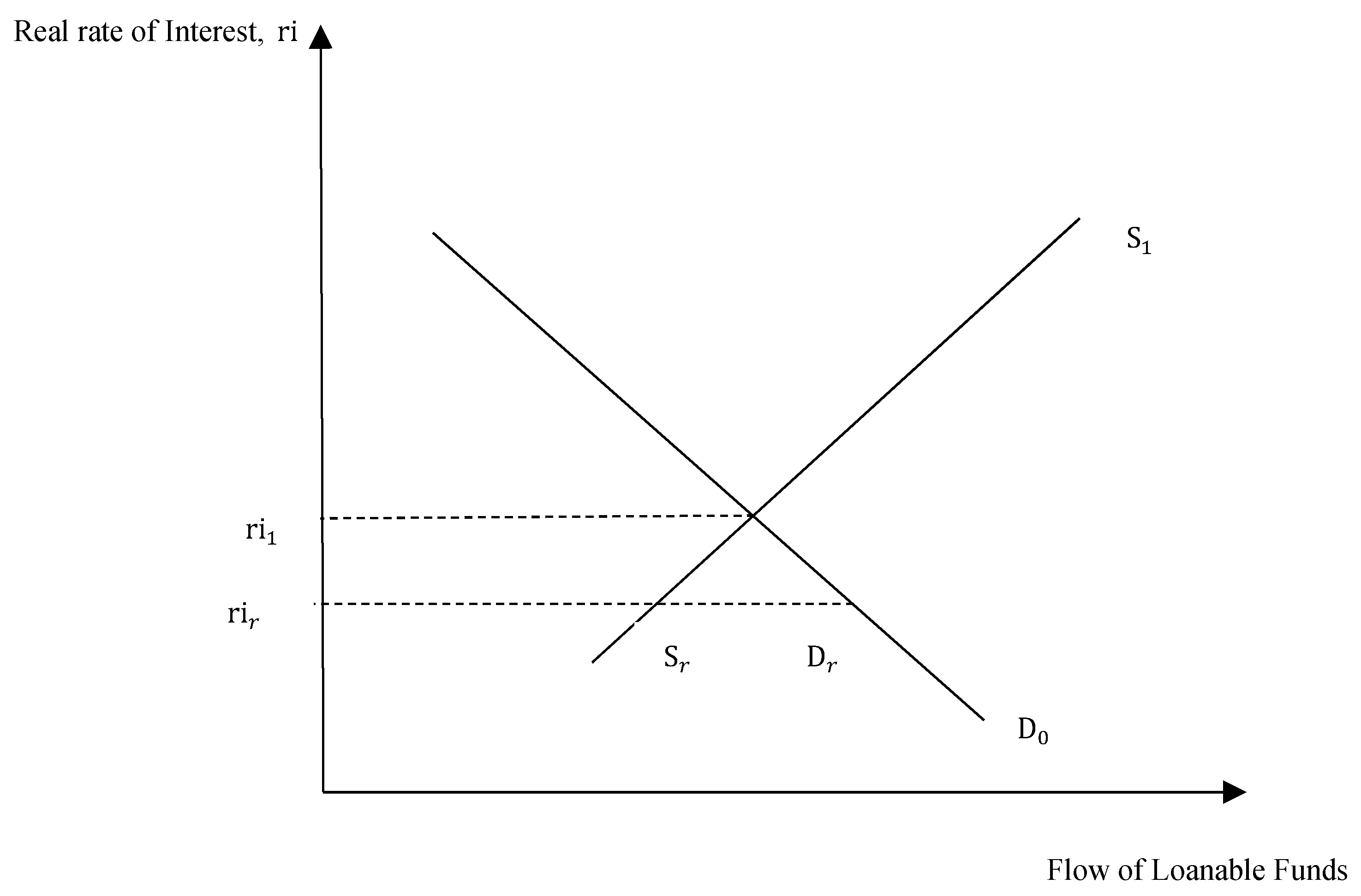
442020 Transfer payments are for welfare unemployment benefits E Draw a CLG of the loanable funds market and show the effects of a change in government transfer payments on the RIR. The supply of loanable funds shifts left and the demand shifts right. Transfer payments 500.
Econowaugh Ap All Loanable Funds Frq S
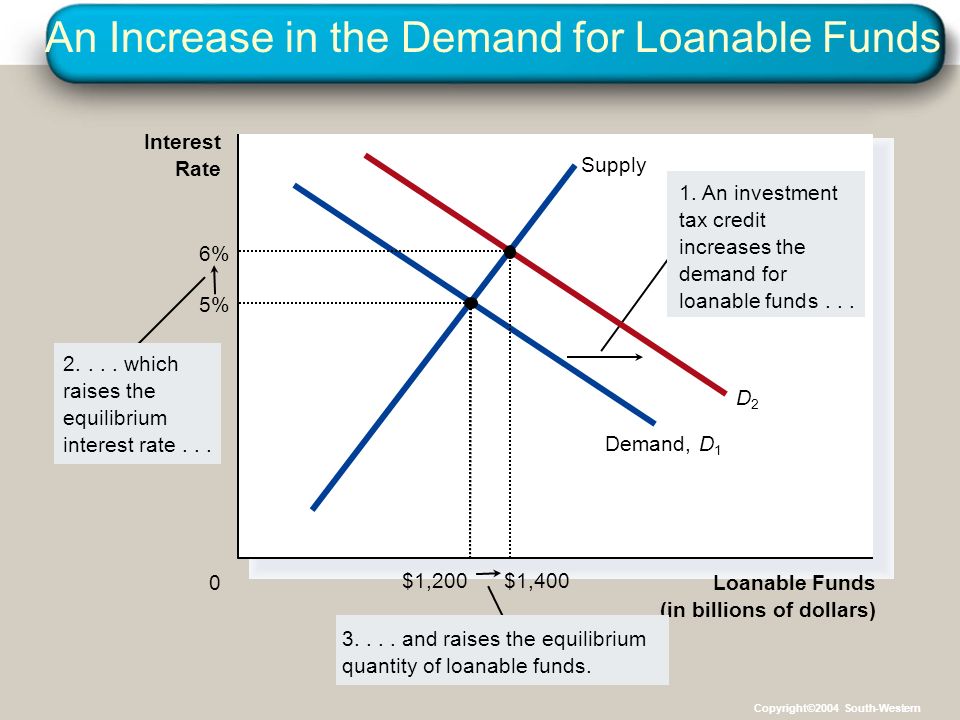
Copyright C 2004 South Western The Loanable Funds Market Mod Ppt Download
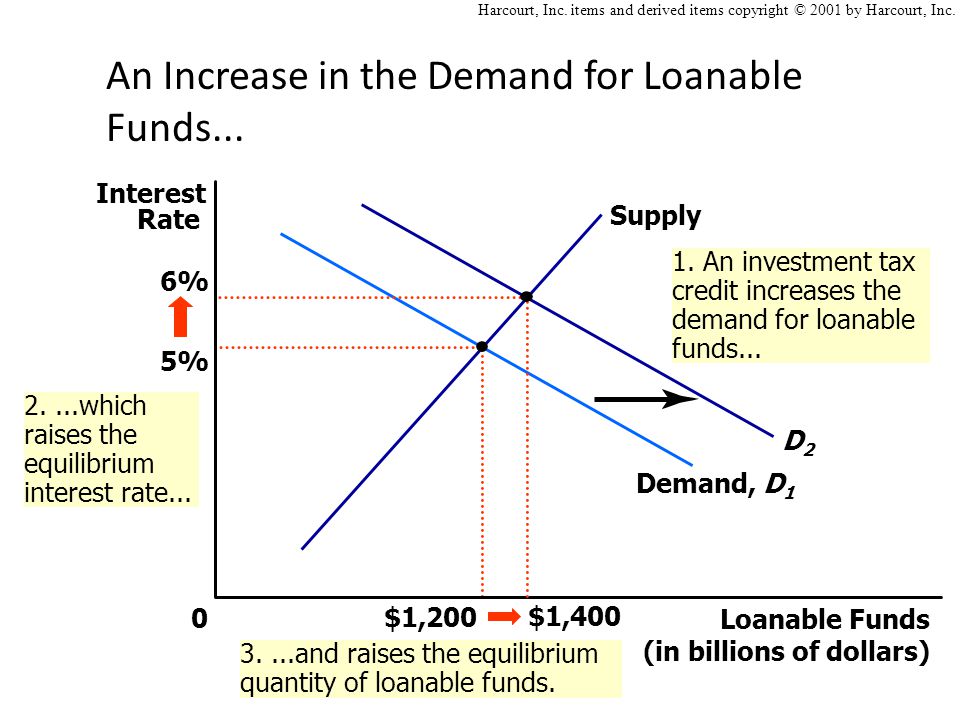
The Market For Loanable Funds Chapter 13 The Market For Loanable Funds Financial Markets Coordinate The Economy S Saving And Investment In The Market Ppt Download

The Market For Loanable Funds Chapter 13 The Market For Loanable Funds Financial Markets Coordinate The Economy S Saving And Investment In The Market Ppt Download

The Market For Loanable Funds Chapter 13 The Market For Loanable Funds Financial Markets Coordinate The Economy S Saving And Investment In The Market Ppt Download

Market For Loanable Funds Tutorial 6 Macroeconomics
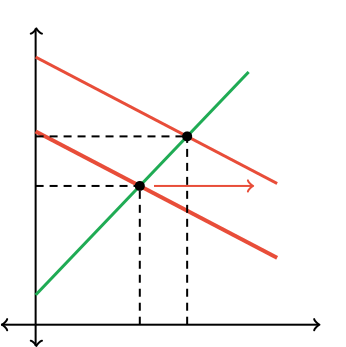
The Market For Loanable Funds Model Article Khan Academy
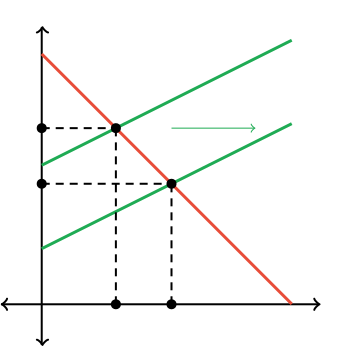
The Market For Loanable Funds Model Article Khan Academy

Chapter 3 National Income Where It Comes From And Where It Goes Ppt Download
Sustainability Free Full Text Financing The Sustainable Development Goals Html
A What Happens To The Loanable Funds Supply And Demand Curves If Business Expectations And Disposable Income Both Increase B What Happens To The Loanable Funds Supply And Demand Curves If Profitable
Copyright C 2004 South Western The Loanable Funds Market Mod Ppt Download
The Adjustment Process Of The Money Multiplier And The Loanable Funds Model Springerlink