

Transfer Pricing Regulations Zambia

Zambia Provides Greater Transfer Pricing Certainty For Its Taxpayers

Building Capacity To Prevent Profit Shifting By Large Companies In Zambia By Oecd Issuu

Transfer Pricing De Mystified Rsm Zambia
Https Www Pwc Com Zm En Assets Pdf Tax Alert Transfer Pricing Documentation For 2019 Pdf
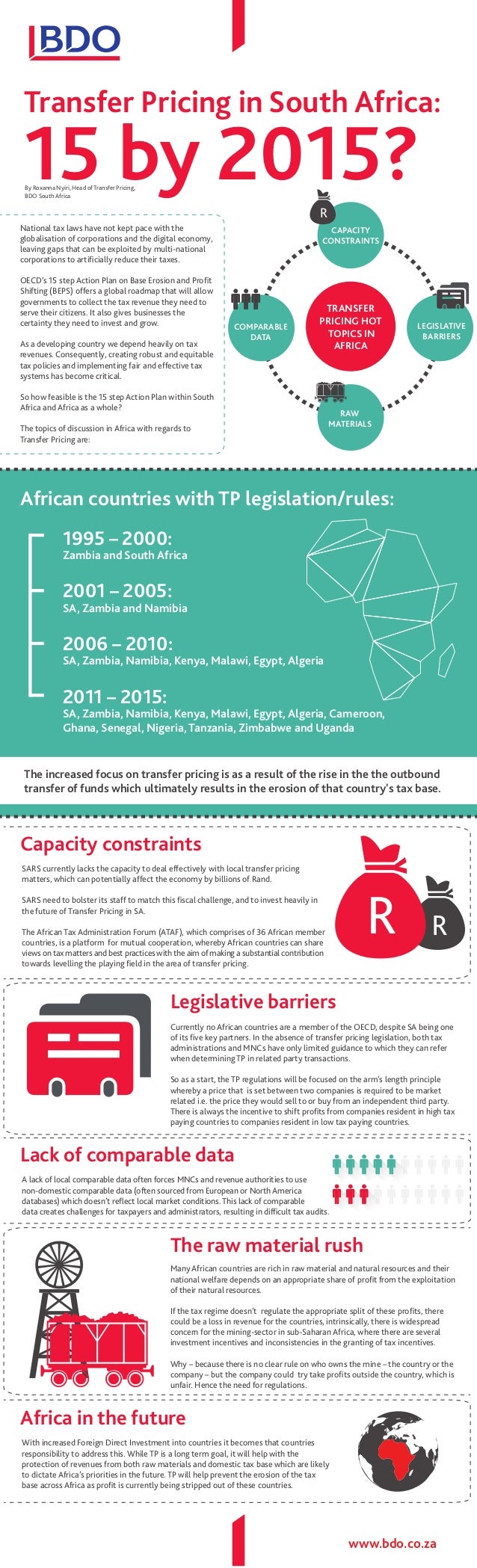
Transfer Pricing Infographic
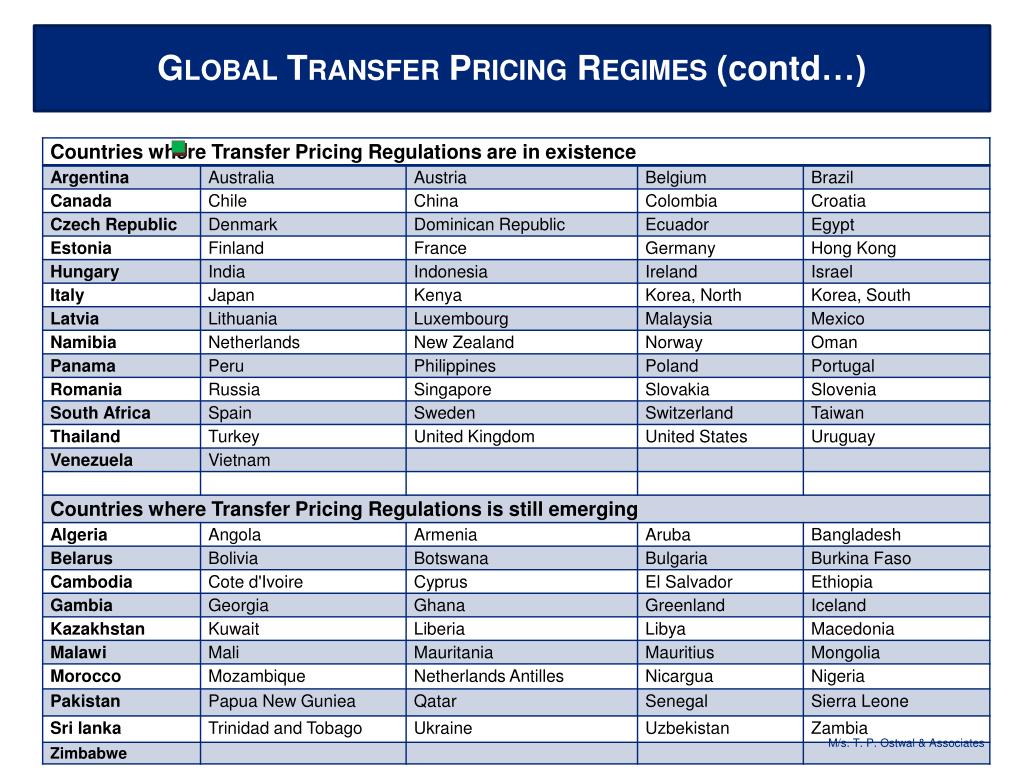
Ppt In International Transfer Pricing Powerpoint Presentation Free Download Id 2414690

The new regulations.
Transfer pricing regulations zambia. Until the transfer pricing regulations are formally introduced in 2016 the ZRA. Practitioners need to have current knowledge. This should make the transfer pricing audit process more efficient and consistent.
4162018 With the assistance of the ATAF International Taxation team Zambia has now released new transfer pricing regulations to supplement its existing legislation and regulations. Among other changes it provides for the Minister of Finance to prescribe transfer pricing documentation rules. Determination of arms length price.
5222018 2017 the government of the Republic of Zambia has issued amended transfer pricing regulations through a government gazette dated 6 April 2018. Generally the company is notified and requested to provide documentation when an audit commences. While there has been an increase in the focus on transfer pricing in Zambia exact audit numbers are not available.
Zambia Publishes New Transfer Pricing Regulations Zambia published The Income Tax Transfer Pricing Amendment Regulations 2018 in the Official Gazette on 6 April 2018. Zambias Transfer Pricing Rules provide for the application of the arms length principle to controlled transactions. The government proposes to increase this annual threshold to ZWM 50 million USD 2475248.
The ZRA prefers that the company under investigation provide the comparables. The regulations apply to companies resident in Zambia and permanent establishments in Zambia of nonresidents. However this threshold does not apply to multinational enterprises.
ZAMBIA REVENUE AUTHORITY TRANSFER PRICING LEGISLATION IN ZAMBIA IncomeTax Act Section 97A requires that transactions entered into between controlled parties follow. Zambia9 Introduction Transfer pricing legislation was first introduced in Zambia in 1999 and was subsequently amended in 2001 and 2002. 3242015 The existing Anti-Avoidance Provisions have been amended in the ITA and Transfer Pricing Regulations to align it with international best practice.

Zambia Publishes New Transfer Pricing Regulations Orbitax News

Overview Of Transfer Pricing Ppt Download
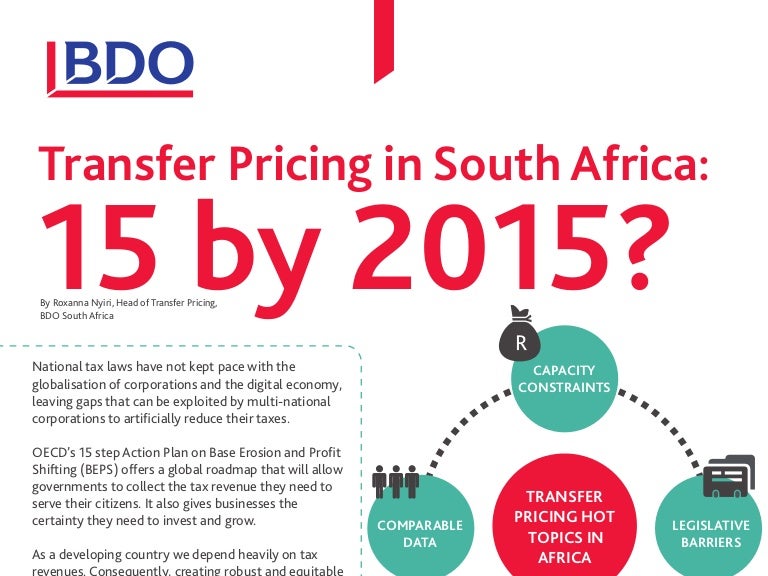
Transfer Pricing Infographic
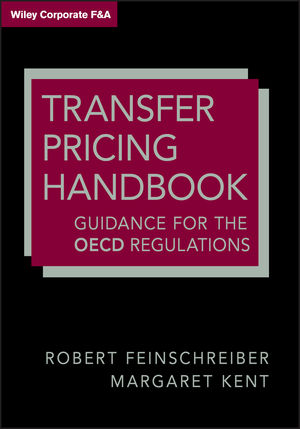
Transfer Pricing Handbook Guidance On The Oecd Regulations Wiley
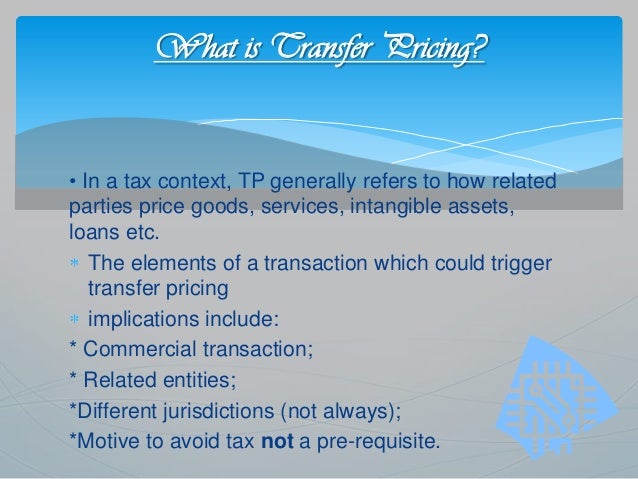
Transfer Pricing Regulations In Nigeria
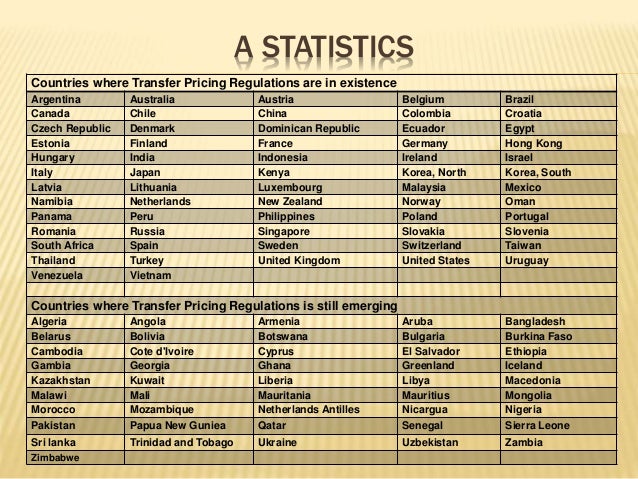
Transfer Pricing In Taxation Purview

International Transfer Pricing 2015 2016
Https Events Ataftax Org Includes Preview Php File Id 11 Language En Us

Transfer Pricing In Taxation Purview
Working Paper Page 5 The International Centre For Tax And Development Ictd

In International Transfer Pricing Ppt Download
Overview Of Transfer Pricing Ppt Download

Transfer Pricing William Byrnes Tax Wealth And Risk Intelligence
