

Transfer Rna Wobble
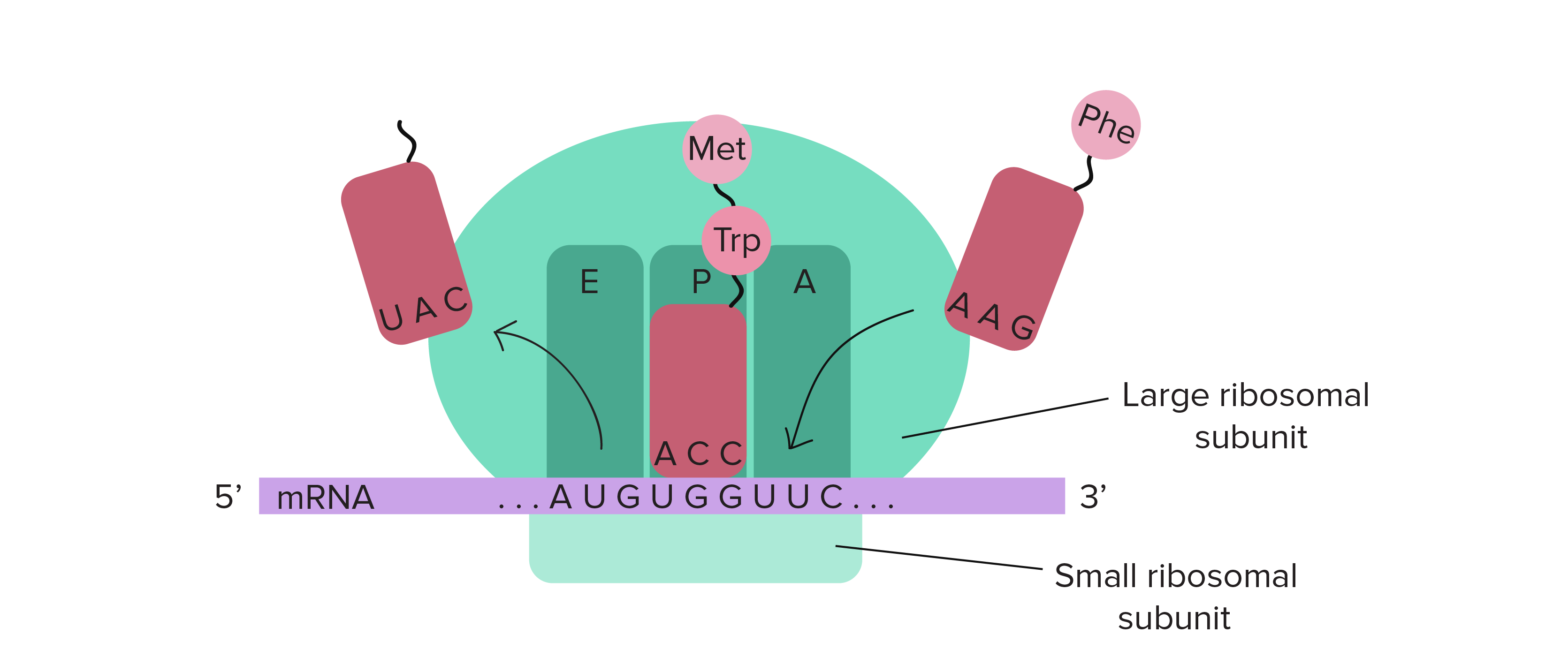
Trnas And Ribosomes Article Translation Khan Academy
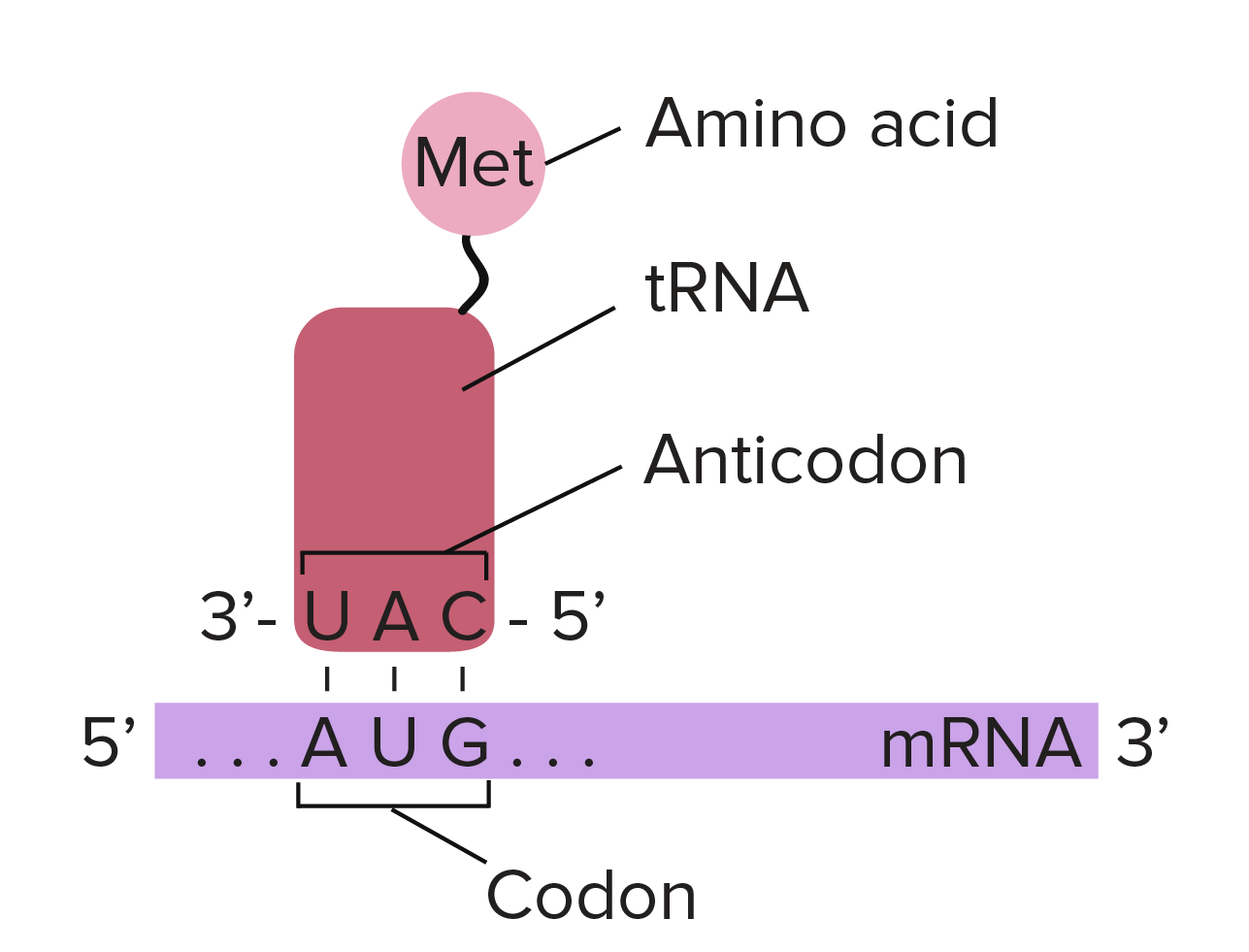
Trnas And Ribosomes Article Translation Khan Academy

The Wobble Uridine U 34 Of Trna Molecules That Recognize Both Aaand Download Scientific Diagram
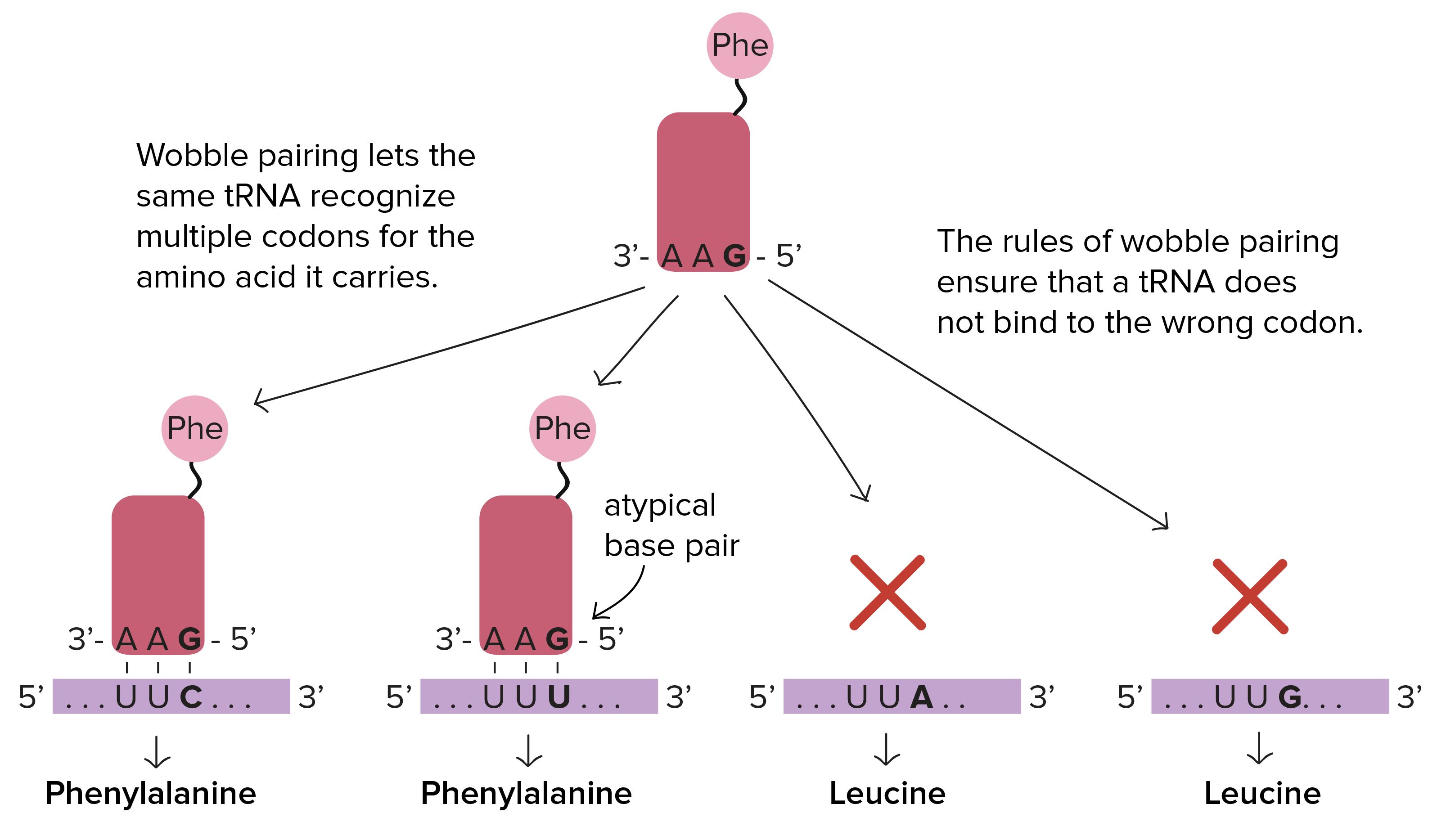
Trnas And Ribosomes Article Translation Khan Academy
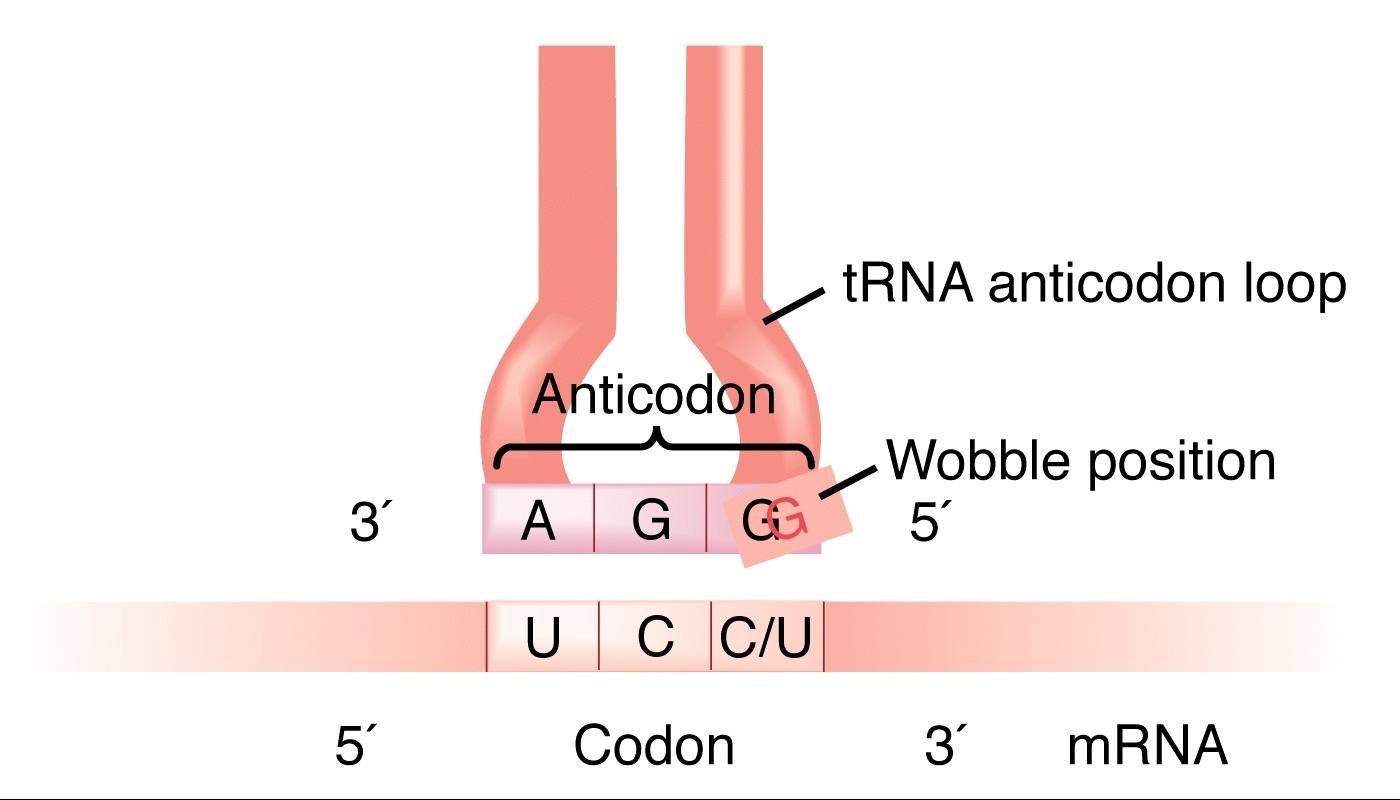
Wobble
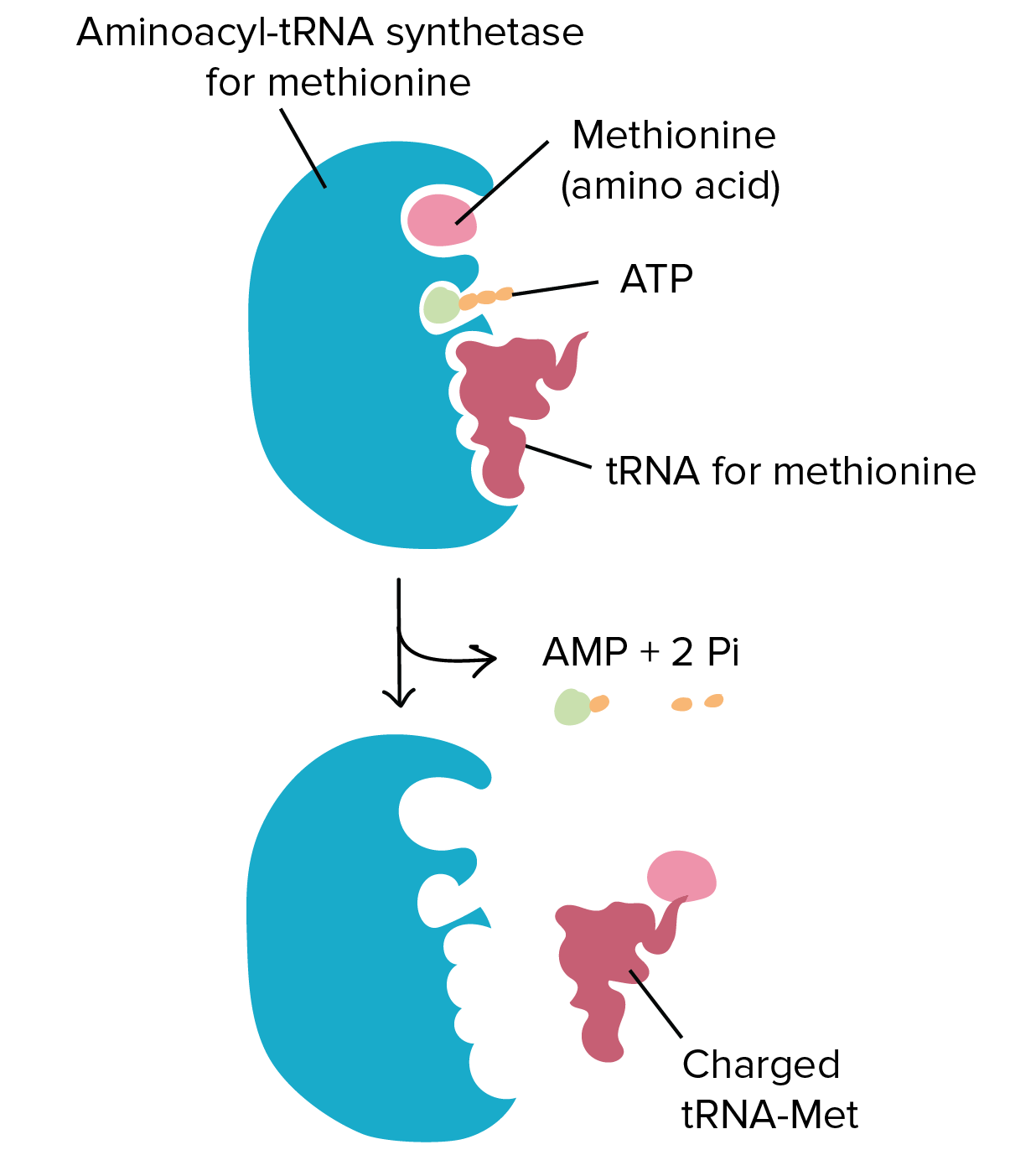
Trnas And Ribosomes Article Translation Khan Academy

1212016 Posttranscriptional modifications at the wobble position of transfer RNAs play a substantial role in deciphering the degenerate genetic code on the ribosome.
Transfer rna wobble. 1Department of Biochemistry North Carolina State University. A great variety of modifications are found in the anticodon loop especially at the first wobble position of the. Loss of the Transfer RNA Wobble Uridine-Modifying Enzyme Elp3 Delays T Cell Cycle Entry and Impairs T Follicular Helper Cell Responses through Deregulation of Atf4.
The number and variety of modifications. This is achieved through an increased flexibility in the allowable basepair interactions between the messenger RNA and the transfer RNA involving the third position of the codon and the first position of the corresponding anticodon. RNA Secondary Structure Prediction Using Nearest-Neighbor Thermodynamic Model.
A modified-wobble hypothesis Author links open overlay panel PF. Transfer RNA from all organisms has modified nucleosides and position 34 the wobble position is one of the most extensively modified positions. Site-specific 2-O-ribose methylation of mammalian rRNAs and RNA polymerase II-synthesized spliceosomal small nuclear RNAs snRNAs is mediated by small nucleolar and small Cajal body CB-specific box CD ribonucleoprotein particles RNPs in the nucleolus and the nucleoplasmic CBs respectively.
Codons anticodons and wobble. Secondary Structure of Transfer RNA Phenylalanine. Conservation of Transfer RNA Phenylalanine.
In particular thiolation of the wobble uridine has been shown to play an important role in codon-anticodon interactions. Predicting and Visualizing the Secondary Structure of RNA Sequences. The latter process is executed by the ribosome which constitutes the translation machinery that produces the cellular proteome by decoding mRNAs.
Some wobble nucleoside modifications restrict codon choice eg. 5-methylaminomethyl-2-thiouridine mnm5s2U while some extend the decoding capacity eg. The mRNAtRNA interaction occurs on the ribosome via the complementary base pairing between the threebase anticodon of the tRNA and the threebase codon in the mRNA.
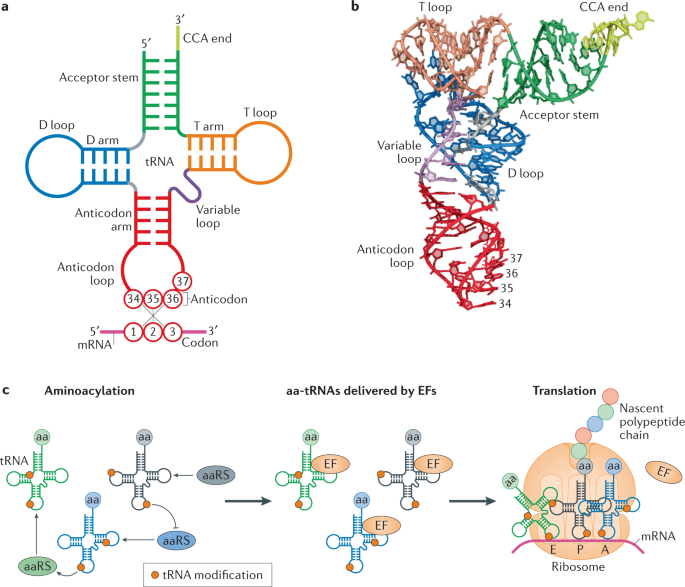
The Expanding World Of Trna Modifications And Their Disease Relevance Nature Reviews Molecular Cell Biology

Trna Wobbling Increases The Risk Of Mistranslation In The Central Download Scientific Diagram

Errors In Dna Replication Learn Science At Scitable Dna Learning Science Dna Replication

Pin On Mcat
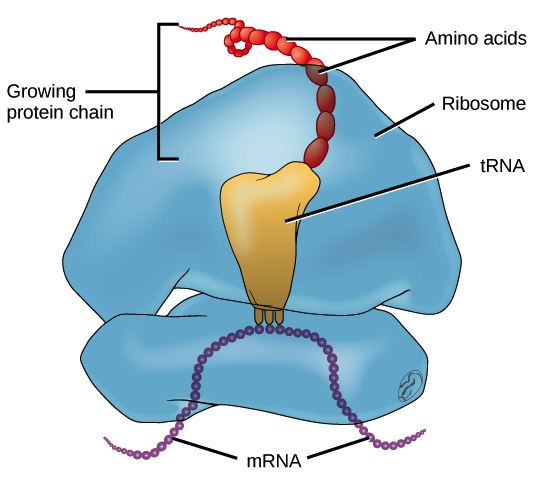
Trnas And Ribosomes Article Translation Khan Academy

The Trna Journey The Secondary Structure Of Trna With Its Constituent Download Scientific Diagram

Pin On Biology

Trna Wobbling Increases The Risk Of Mistranslation In The Central Download Scientific Diagram
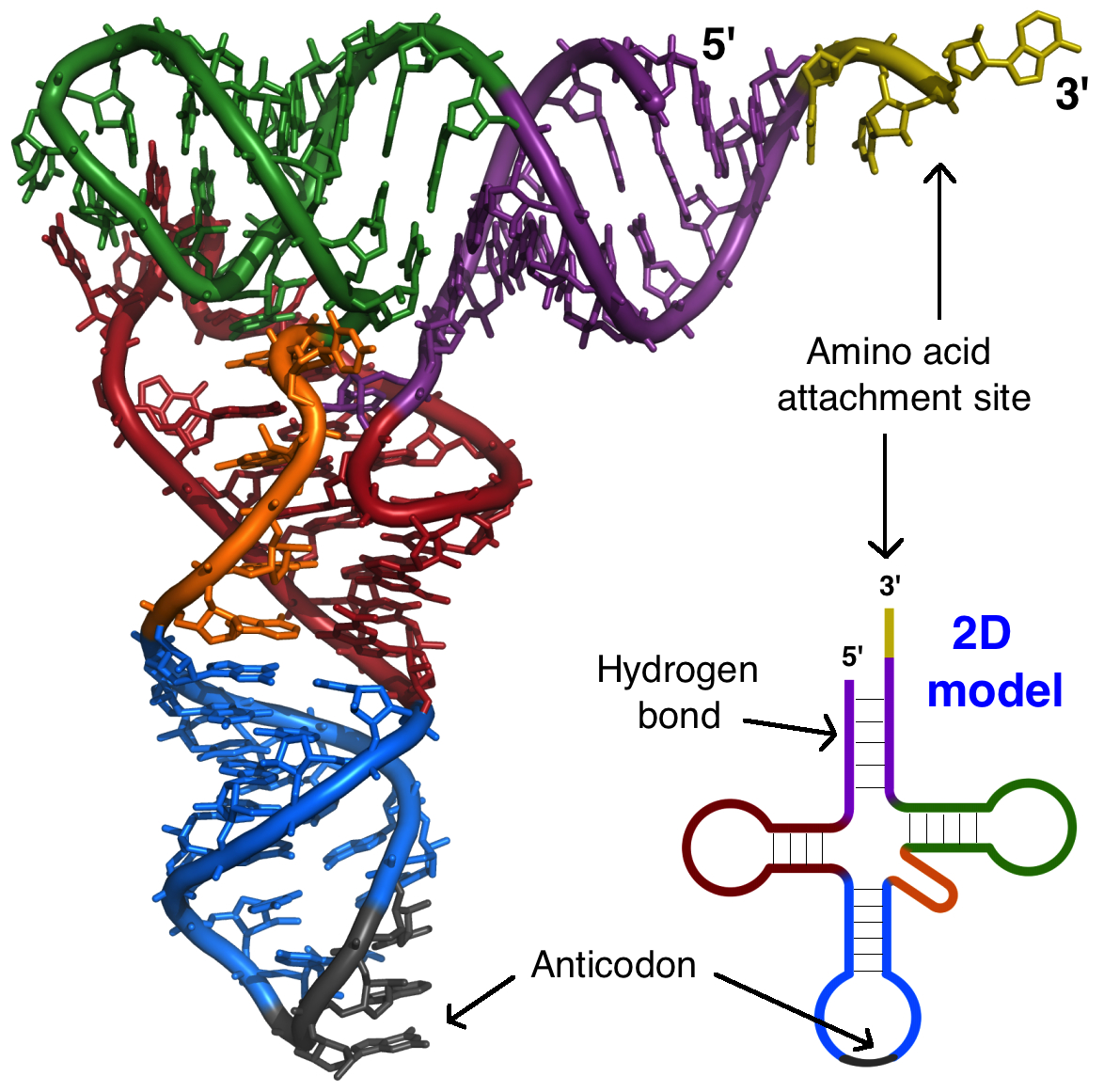
Trnas And Ribosomes Article Translation Khan Academy

Pin On Mcat
Bacterial Culture Media Classification Types And Uses Microbeonline Culture Media Microbiology Culture
Plos Genetics Errors In Translational Decoding Trna Wobbling Or Misincorporation
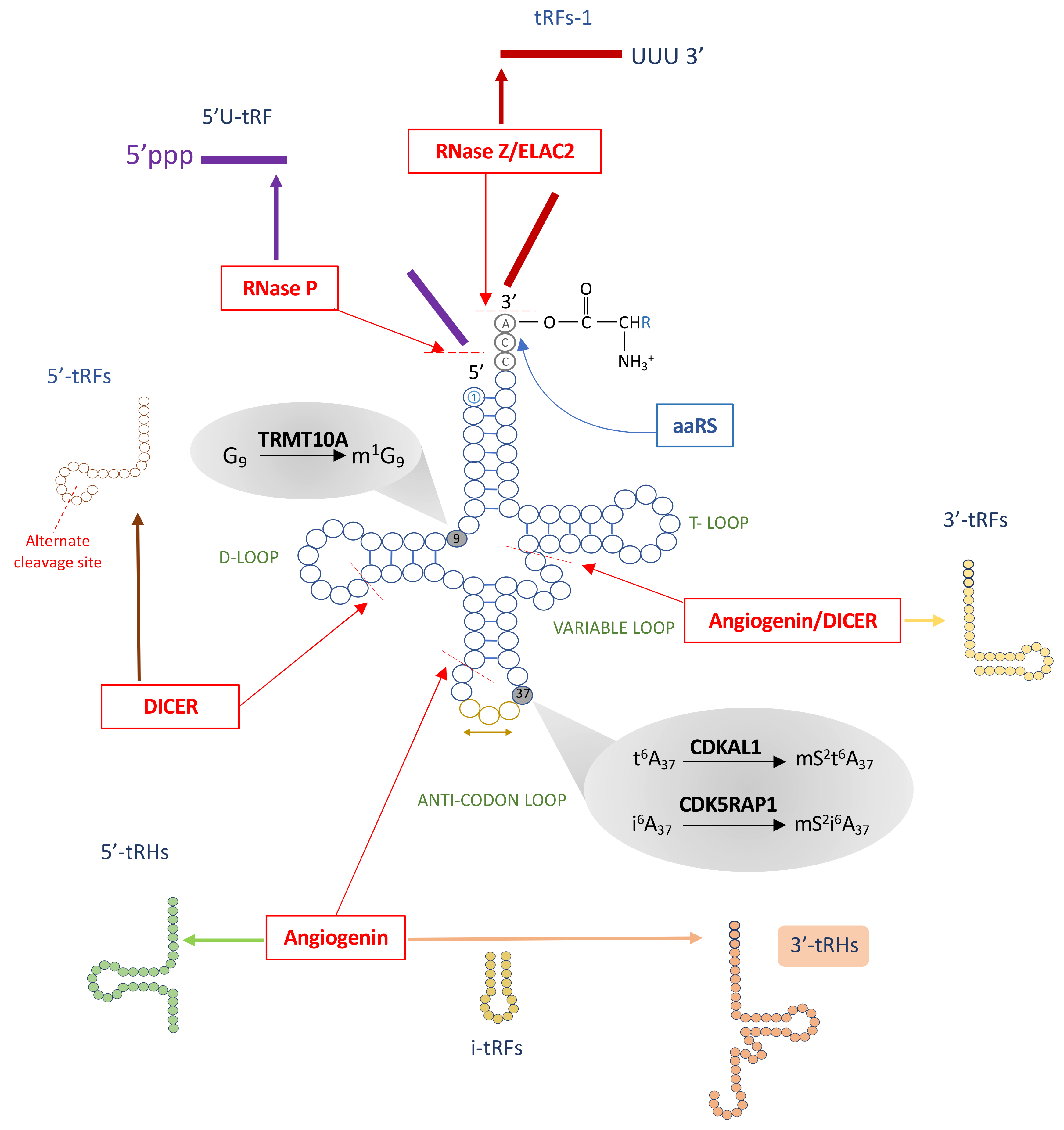
Ijms Free Full Text Trna Biology In The Pathogenesis Of Diabetes Role Of Genetic And Environmental Factors Html
