

Transferred Intent Doctrine

4 2 Criminal Intent Criminal Law
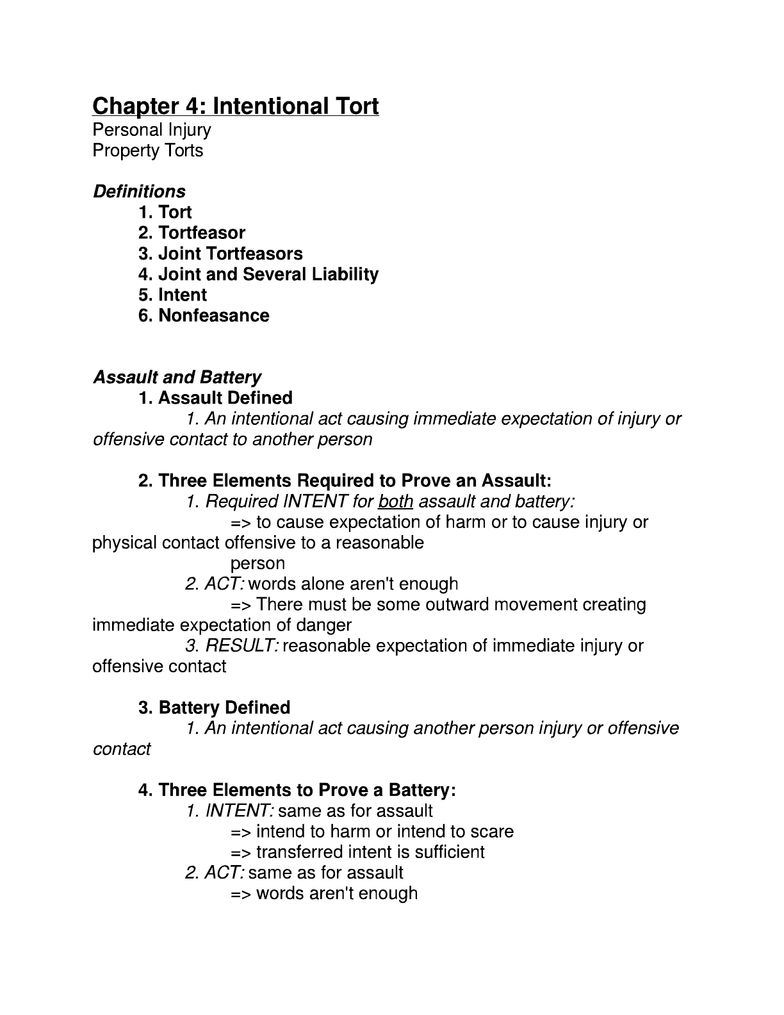
Mangmt 3540 Study Guide Fall 2011 Midterm Transferred Intent The Castle Doctrine Tort
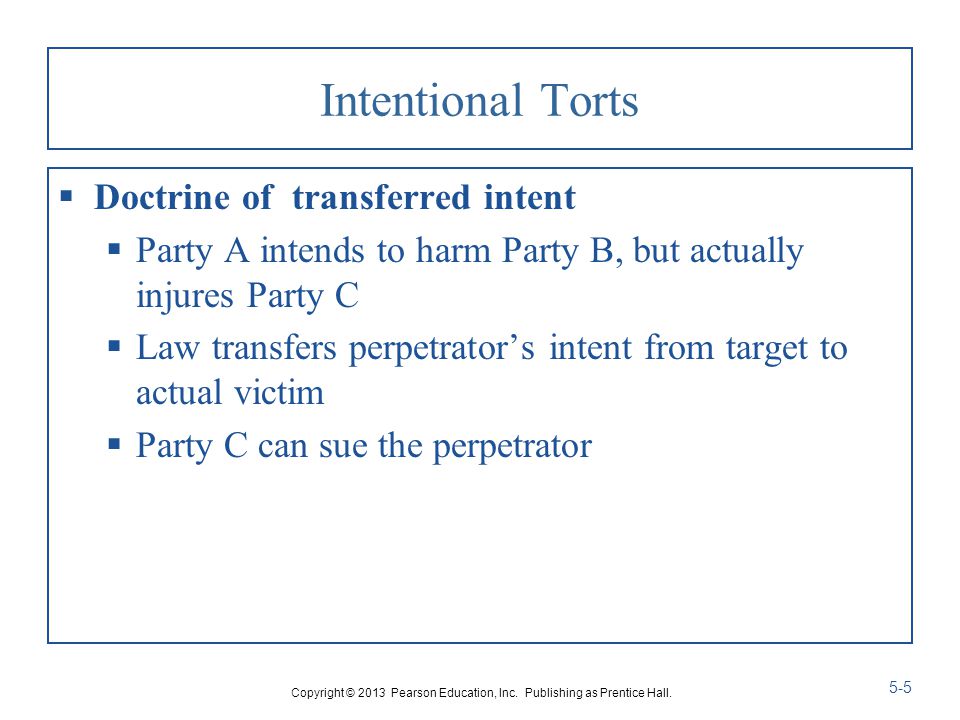
Chapter 5 Intentional Torts And Negligence Ppt Download

Transferred Intent For Assault And Battery Video Lesson Transcript Study Com
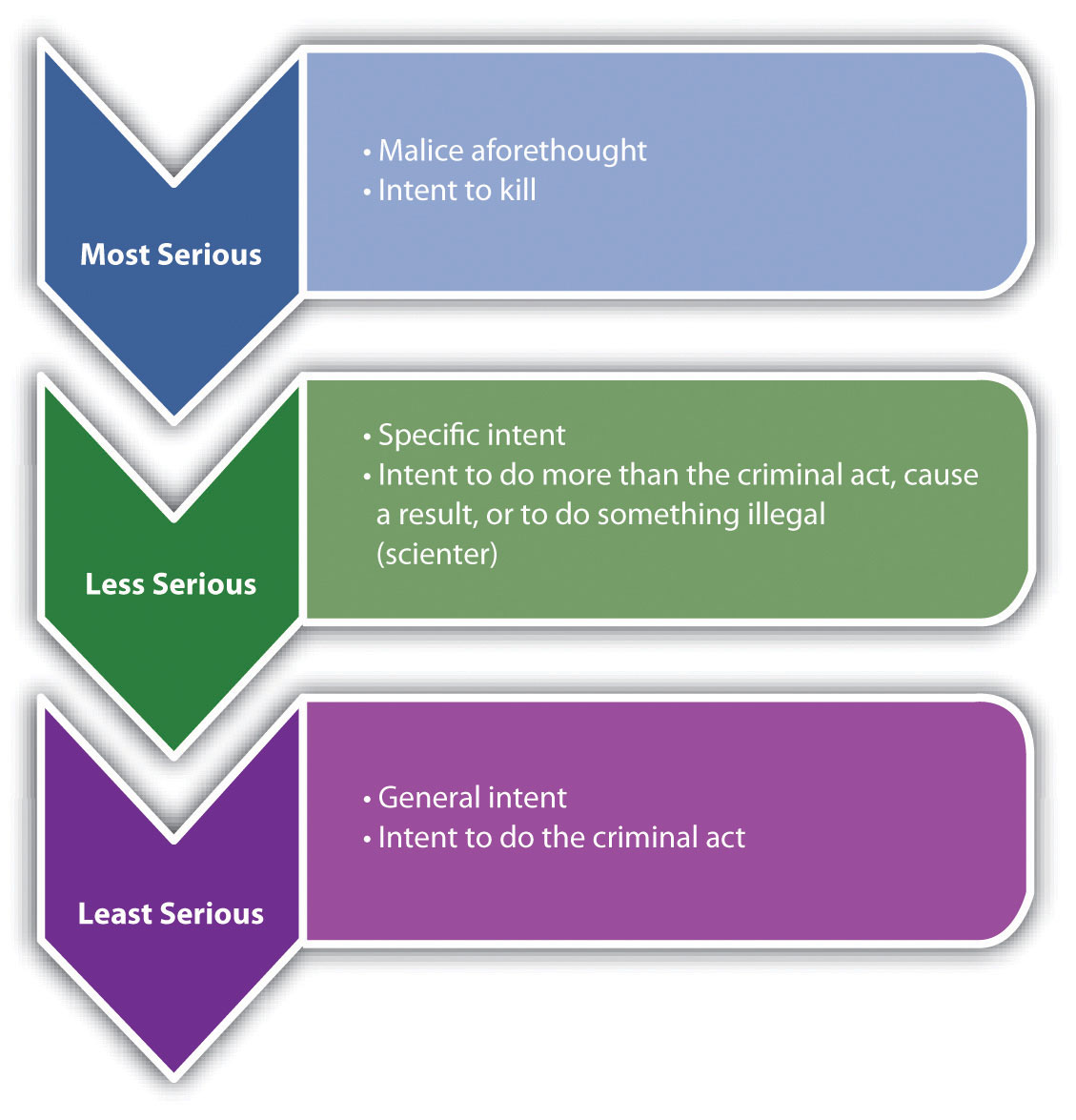
4 2 Criminal Intent Criminal Law
Https Heinonline Org Hol Cgi Bin Get Pdf Cgi Handle Hein Journals Tlr45 Section 42
Tort law is divided into two sections by intent.
Transferred intent doctrine. In criminal law the doctrine of transferred intent had a com-. In this case the defendants intent transfers from the intended victim to the actual victim and can be used to satisfy the mens rea element of the crime that the defendant is being charged with. 1 intended harm to a person other than the one intended 2 different harm to an intended person or 3 different harm to a person other than the one intended.
There is intentional tort which is when one party meant to inflict harm on another. The doctrine of transferred intent is borrowed from tort law and applied in a criminal law context. 5102017 Doctrine of Transferred Intent The doctrine of transferred intent allows for a defendant to be held liable for crime B even if it occurred accidentally as the result of his committing crime A.
Intent to assault is sufficient to establish a battery if touching results. Transferred intent under the common law is required only when a criminal statute matches a. Under personal injury law a person is liable when he or she causes.
And there is unintentional tort which is when harm was accidental. Transferred intent is used when a defendant intends to harm one victim but then unintentionally harms a second victim instead. It is called Transferred intent is in English law and transferred malice in Indian law.
If the answer to either or both questions in no transferred intent will not apply. Transferred intent is a legal doctrine that holds that when the intention to harm one individual inadvertently causes a second person to be hurt instead the perpetrator is still held responsible. Daphne points a gun at Martys dog with the intent of shooting and killing it.
What is the Doctrine of Transferred Intent If D intends to commit an act that would constitute an intentional tort but in fact commits another intentional tort the law will conclude that he commits the latter Where does the Doctrine of Transferred Intent apply. Transferred-intent doctrine1which in its basic form allows an actor with bad aim who kills an unintended victim instead of the intended target to be punished for murder. Assault battery false imprisonment trespass to land trespass to chattels.

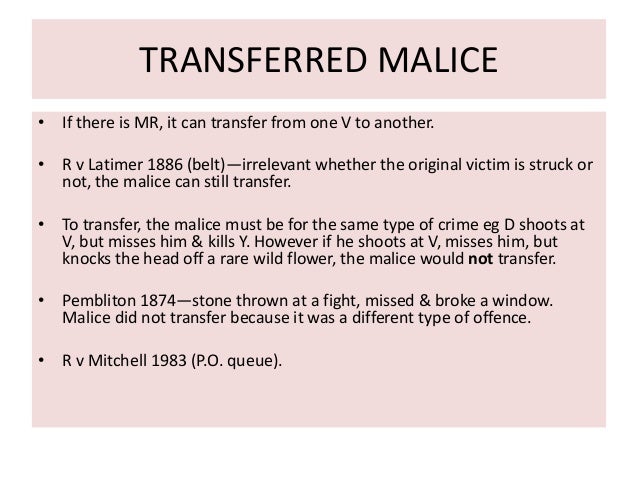
Doctrine Of Transferred Malice Law Times Journal
Criminal Law

Elements Of An Offense Mens Rea Types Criminology Ppt Download
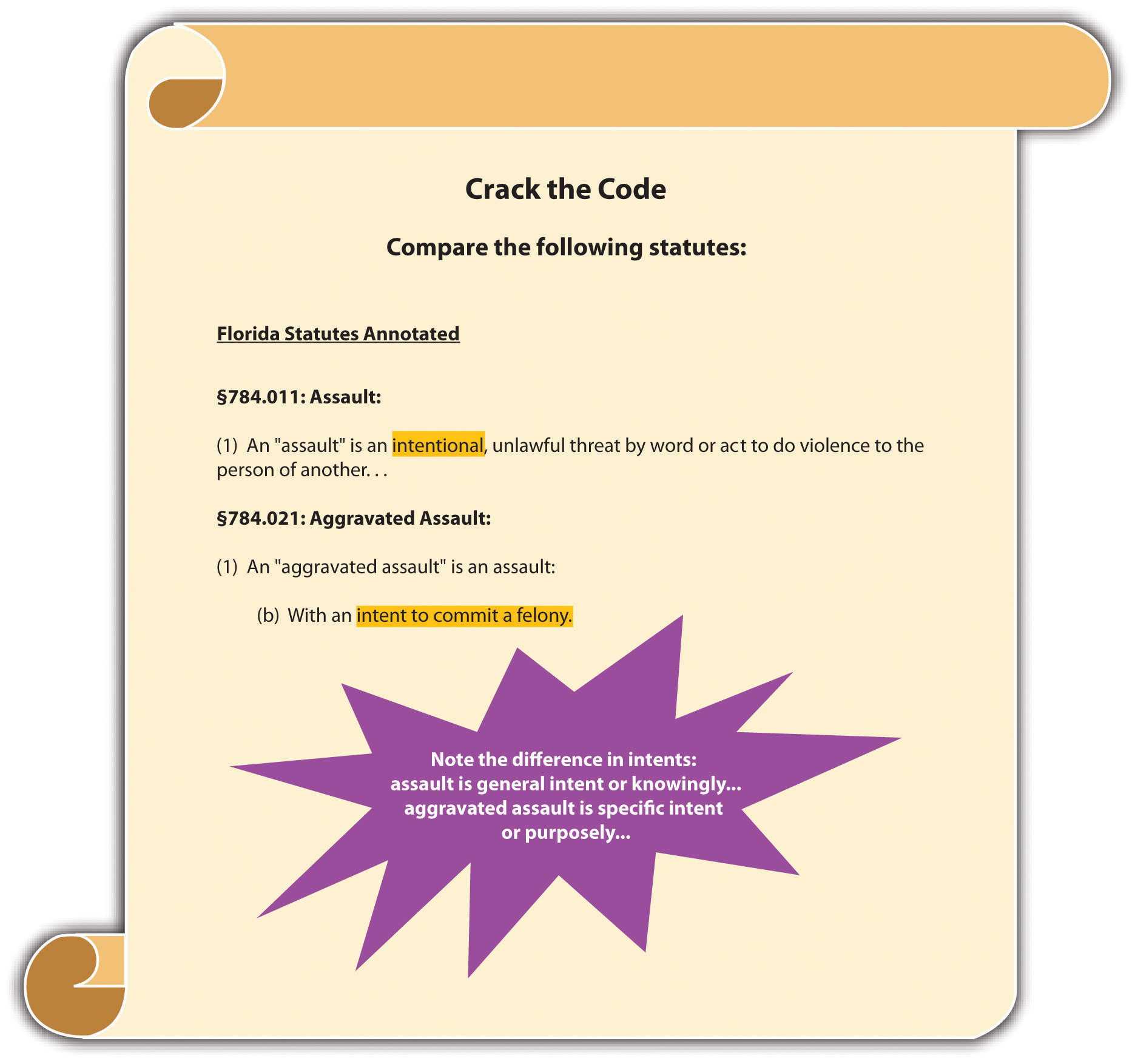
4 2 Criminal Intent Criminal Law
Https Scholarlycommons Law Wlu Edu Cgi Viewcontent Cgi Article 3563 Context Wlulr
Http Scholarworks Law Ubalt Edu Cgi Viewcontent Cgi Article 1681 Context Ublr
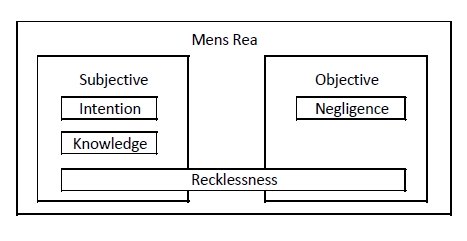
Intention Criminal Law Notebook

4 2 Criminal Intent Criminal Law
Https Www Jstor Org Stable 10 1525 Nclr 2010 13 3 555
Http Scholarship Law Nd Edu Cgi Viewcontent Cgi Article 1659 Context Ndjlepp

Doctrine Of Transferred Malice Under Indian Penal Code
Https Onlinelibrary Wiley Com Doi Pdf 10 1111 J 1748 121x 2009 00128 X
