

Transferred Intent Torts

Intentional Torts Chart Trespass Intentional Infliction Of Emotional Distress

Transferred Intent For Assault And Battery Video Lesson Transcript Study Com

Intentional Torts Uslawessentials

Ppt The Law Of Torts Powerpoint Presentation Free Download Id 3051985
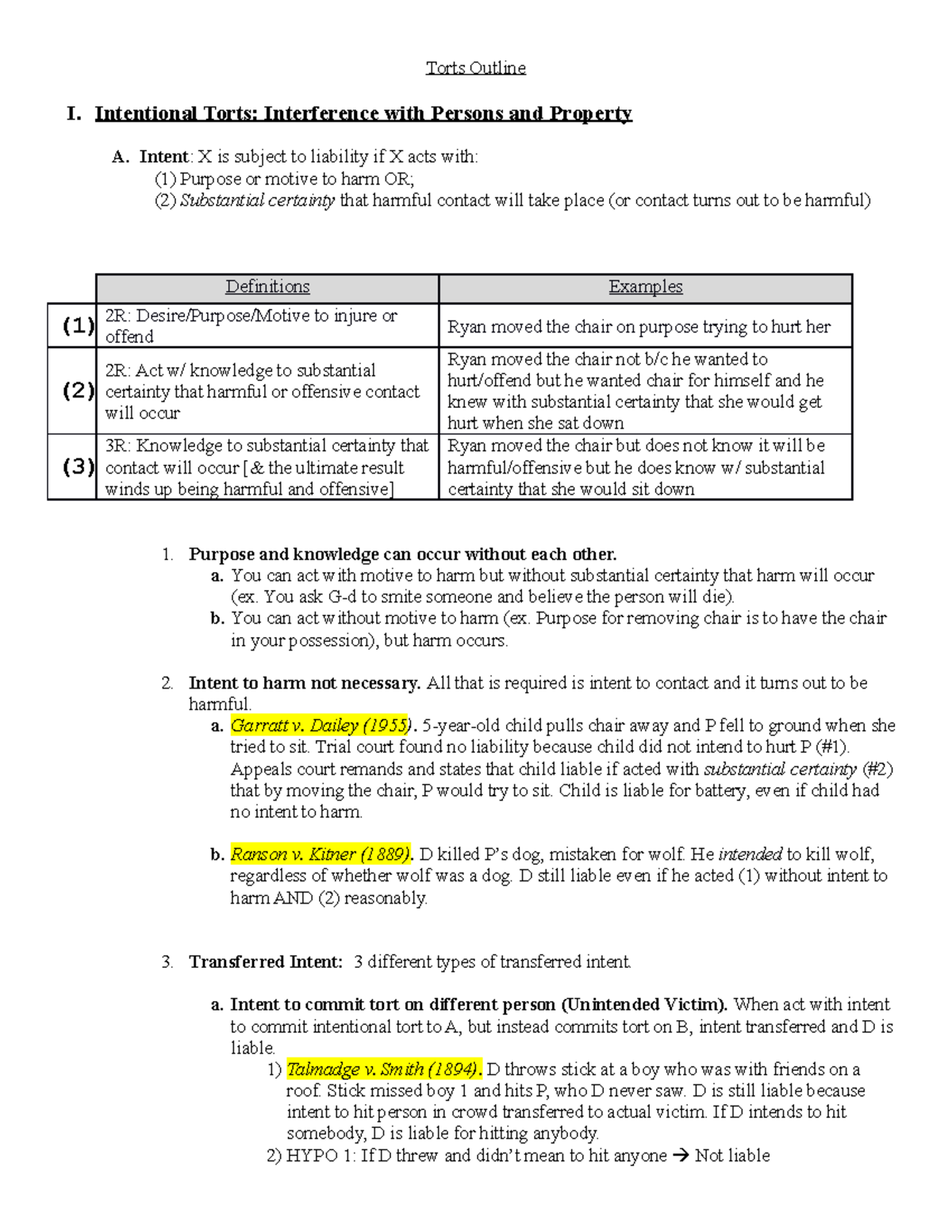
Torts Real Outline Trt 100 Studocu

Tort Cheat Sheet For Mid Term Trespass Social Institutions
In this case the defendants intent transfers from the intended victim to the actual victim and can be used to satisfy the mens rea element of the crime that the defendant is being charged with.
Transferred intent torts. 1998 stating that transferred intent applies with. In tort law there are generally five areas in which transferred intent is applicable. 1242018 In torts and personal injury cases transferred intent applies to the following types of torts.
Please also note that transferred intent applies even where the tort committed against B was not the tort the defendant intended to commit against A. Also transferred intent applies where a person intended only an apprehension of contact but accidentally causes actual contact. It applies to any of the intentional torts including.
Transferred intent is a shift from an intended action against one party to an action against another and there does not need to be intent. She will walk you through the restatements and how they relate to the Prima Facie. Battery assault false imprisonment trespass to land and trespass to chattels.
With malice aforethought Nate Nogood intends to shoot his girlfriend and misses her and the bullet hits a passerby killing him. Transferred intent is used when a defendant intends to harm one victim but then unintentionally harms a second victim instead. The person is legally responsible as long as he or she knew such action would harm someone.
And A tort was committed to an unintended party resulting in damages. A tort would have been committed if contact with the original party occurred. The doctrine of transferred intent can be applied if an offender commits one of the following five torts.
5102017 Doctrine of Transferred Intent The doctrine of transferred intent allows for a defendant to be held liable for crime B even if it occurred accidentally as the result of his committing crime A. Transferred intent is a familiar doctrine of tort lawfamiliar at least to the many law students who have an assignment on transferred intent in their torts course and must attempt to understand it for the final examination. Under the doctrine of transferred intent a defendants intent to commit a tort against one person may be transferred to another person.
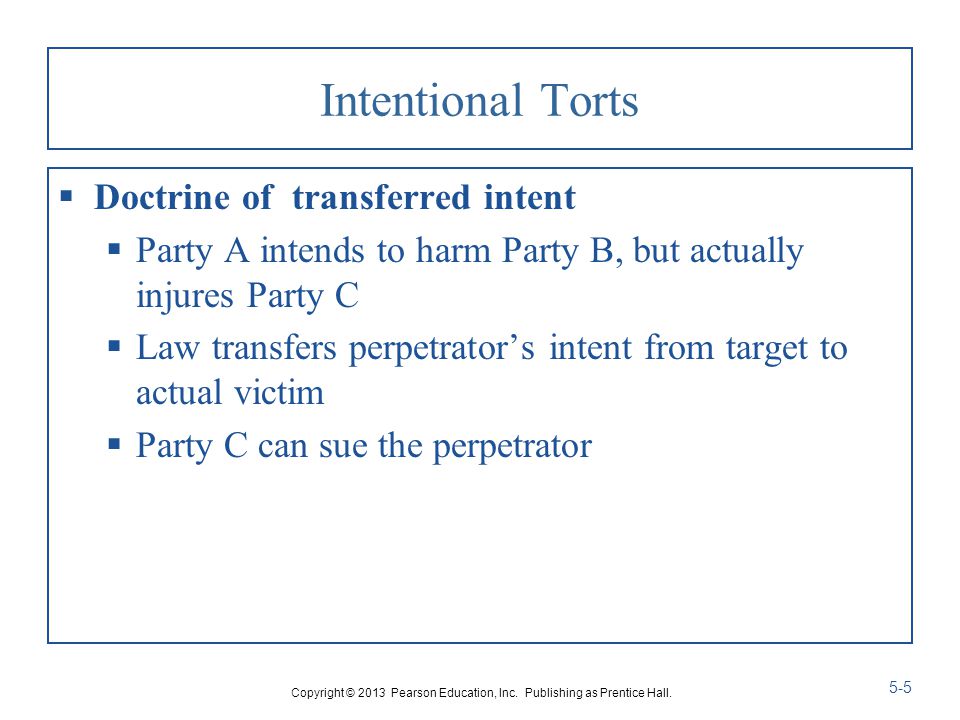
Chapter 5 Intentional Torts And Negligence Ppt Download

Chapter 9 Introduction To Torts Ppt Video Online Download

03 The Law Of Torts Week 1 Professor Sam Blay The Lecture Structure Texts Definition Aims And Scope Of Law Of Torts Intentional Torts Ppt Download
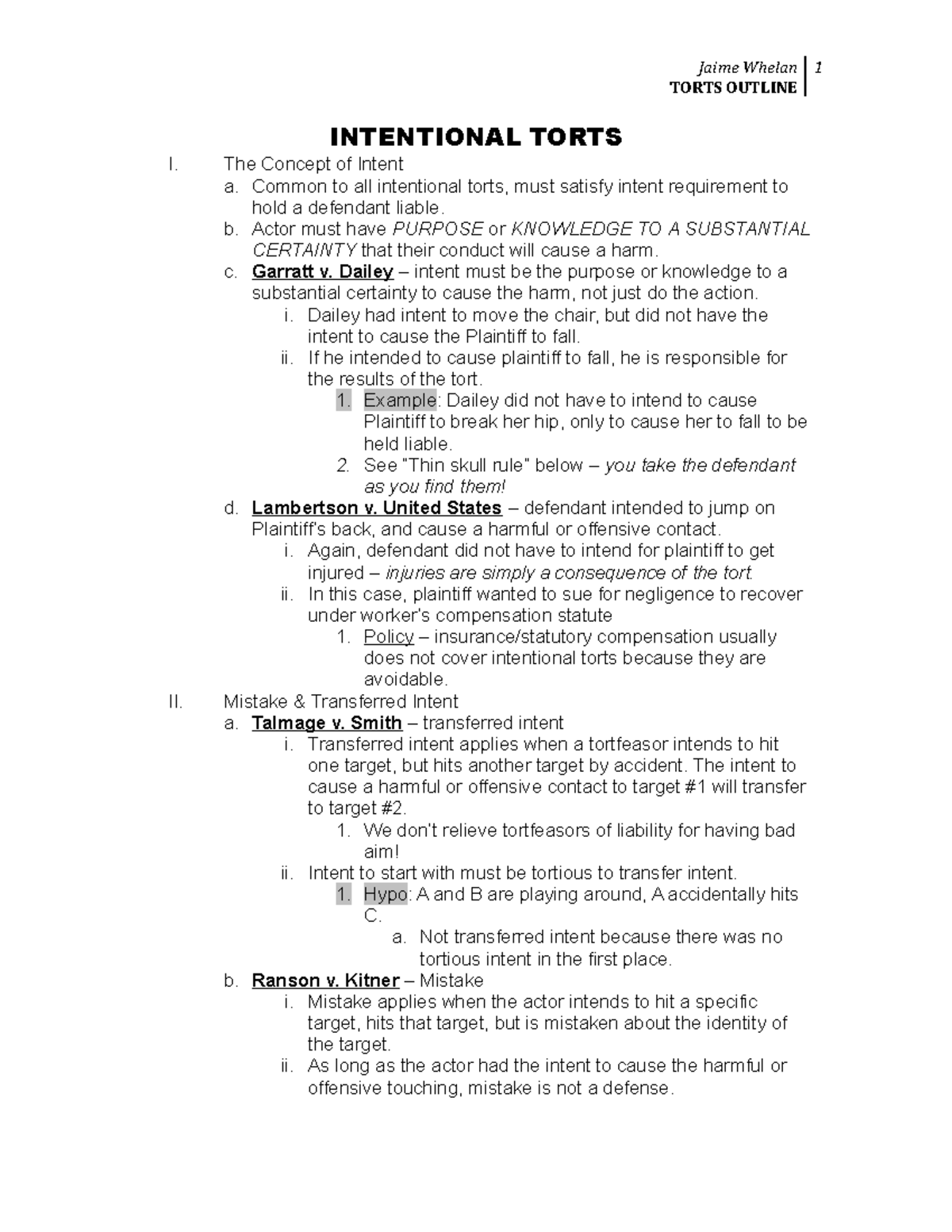
Torts Outline Complete Pla 3273 Studocu
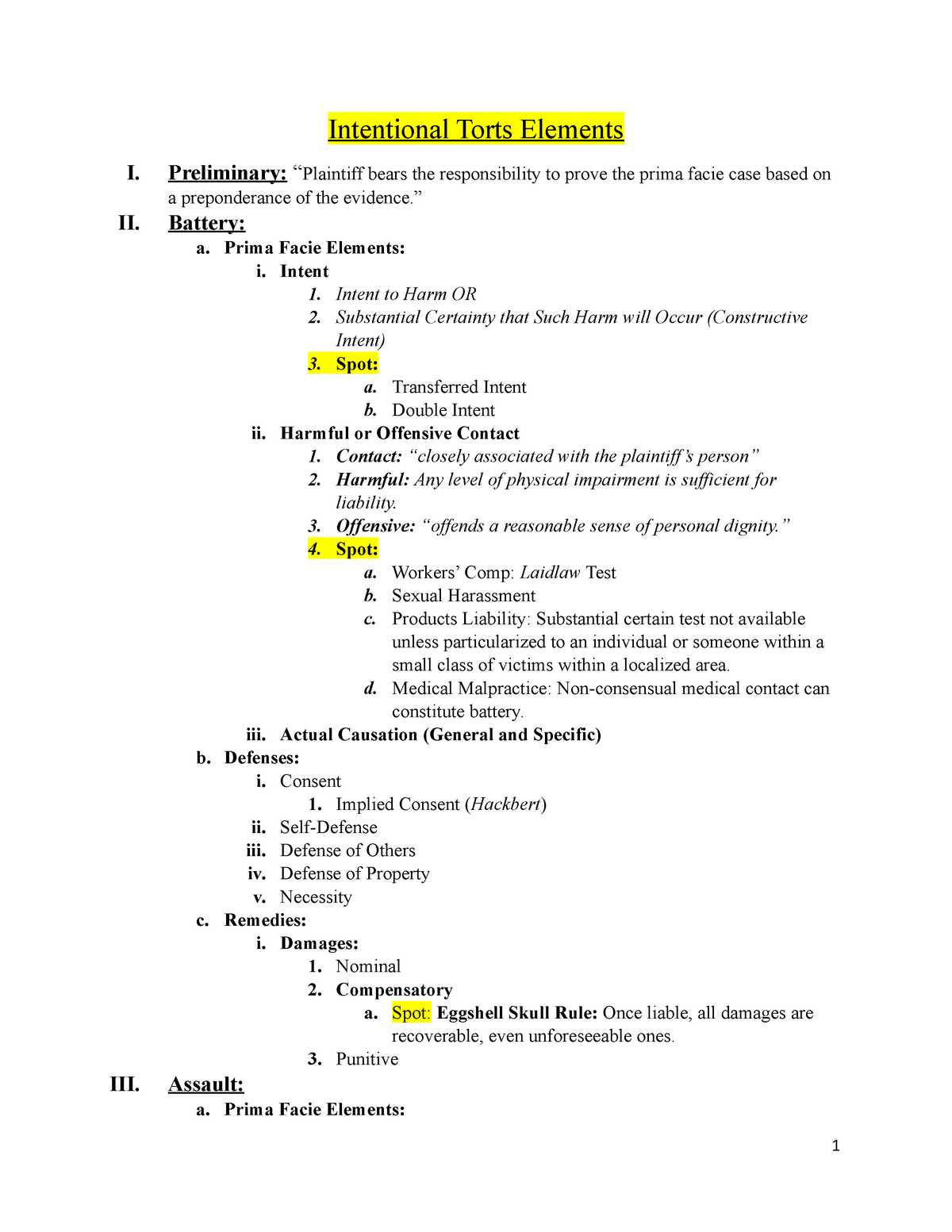
Attack Outline Intentional Torts Studocu
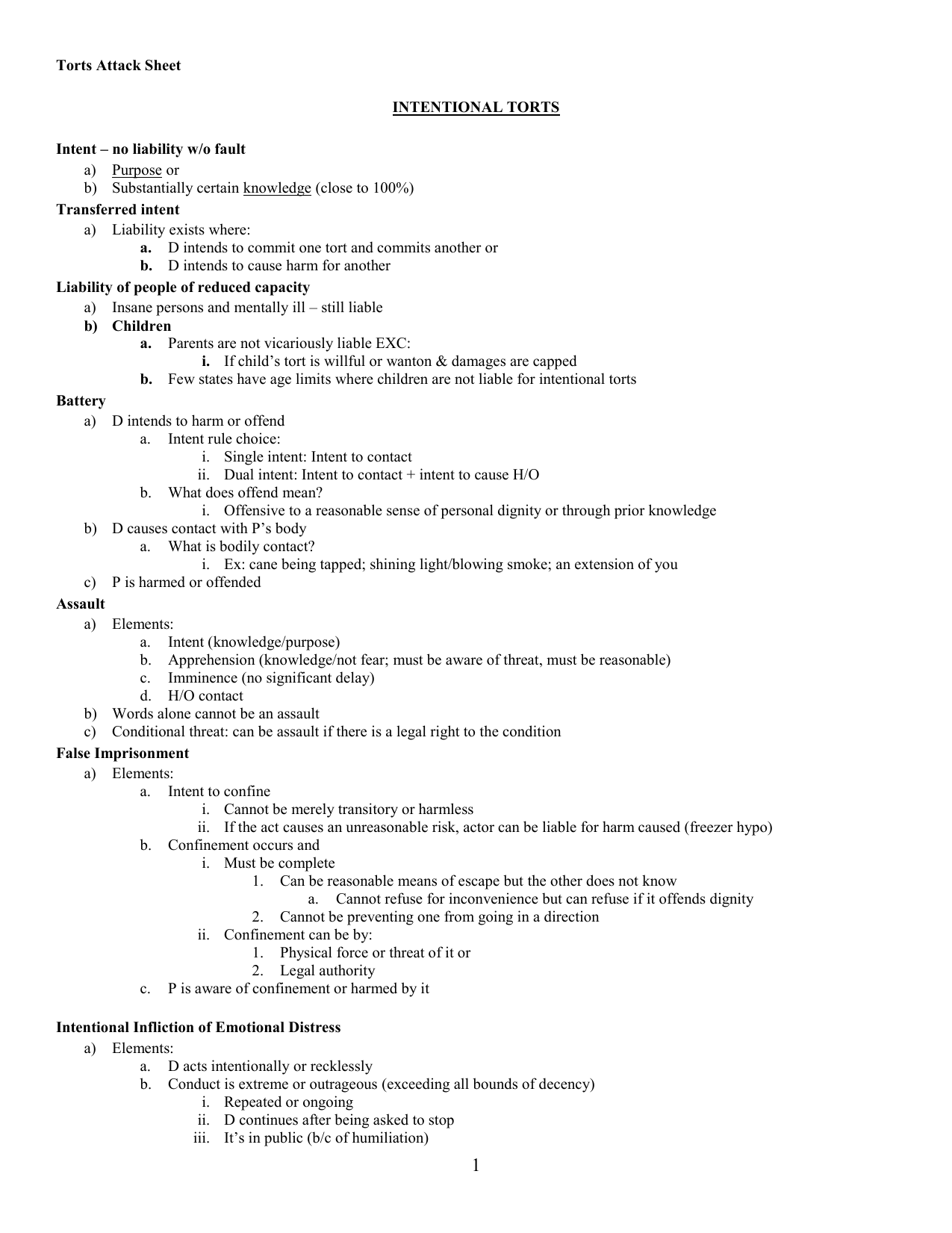
Torts Attack Sheet

Torts Outline
Https Heinonline Org Hol Cgi Bin Get Pdf Cgi Handle Hein Journals Tlr45 Section 42

What Is Transferred Intent Youtube
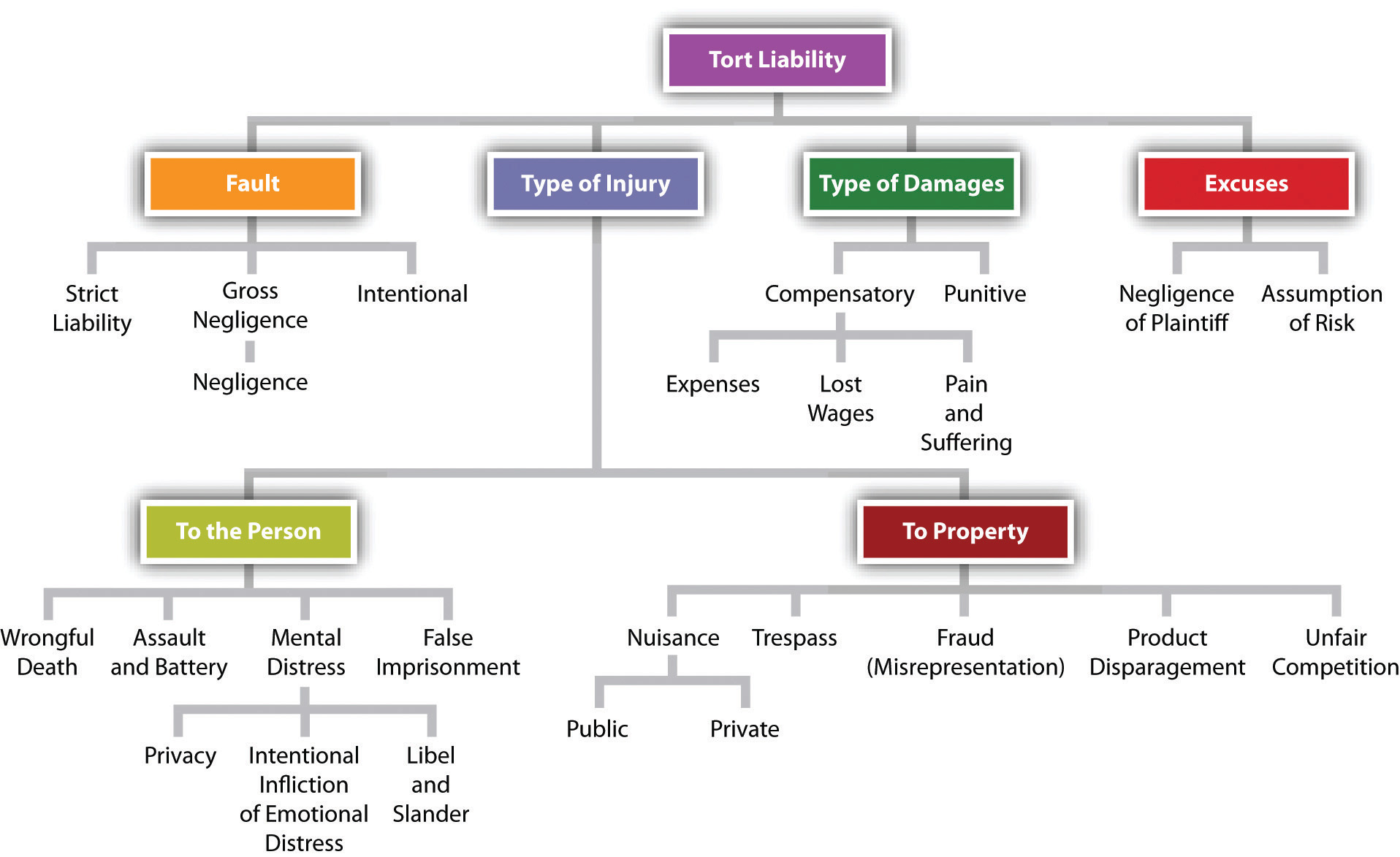
Introduction To Tort Law
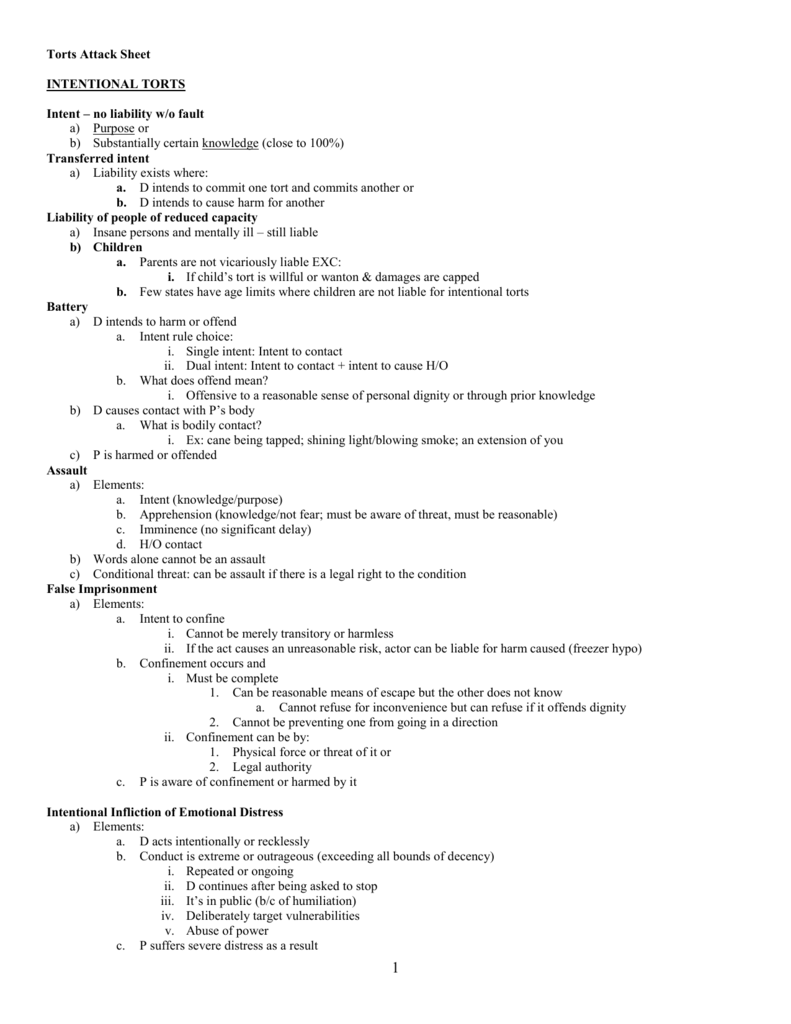
Torts Attack Sheet
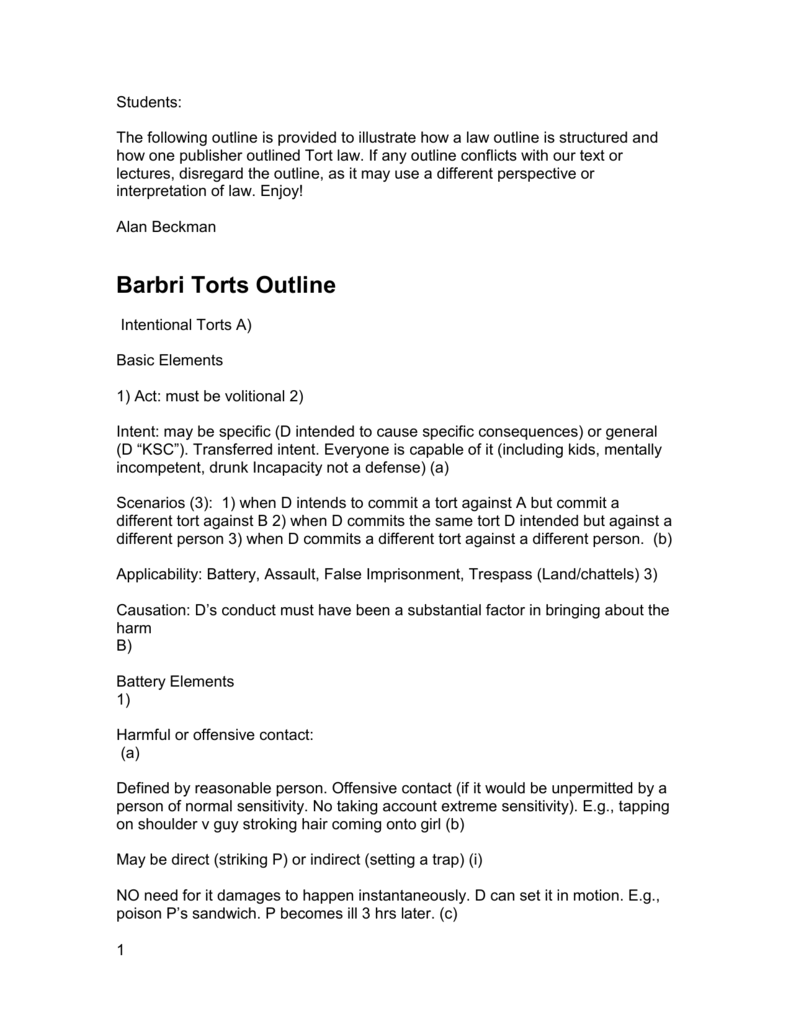
Barbri Torts Outline

Chapter 5 Intentional Torts And Negligence Ppt Download
