

Yeast Transfer Rna

Rna Transfer Wikipedia Bahasa Indonesia Ensiklopedia Bebas

Rna Transfer Wikipedia Bahasa Indonesia Ensiklopedia Bebas

Rna Transfer Wikipedia Bahasa Indonesia Ensiklopedia Bebas

Anticodon Stem Loop Asl Modifications In Yeast Trna At The Wobble Download Scientific Diagram

Transfer Rna Modification And Infection Implications For Pathogenicity And Host Responses Sciencedirect
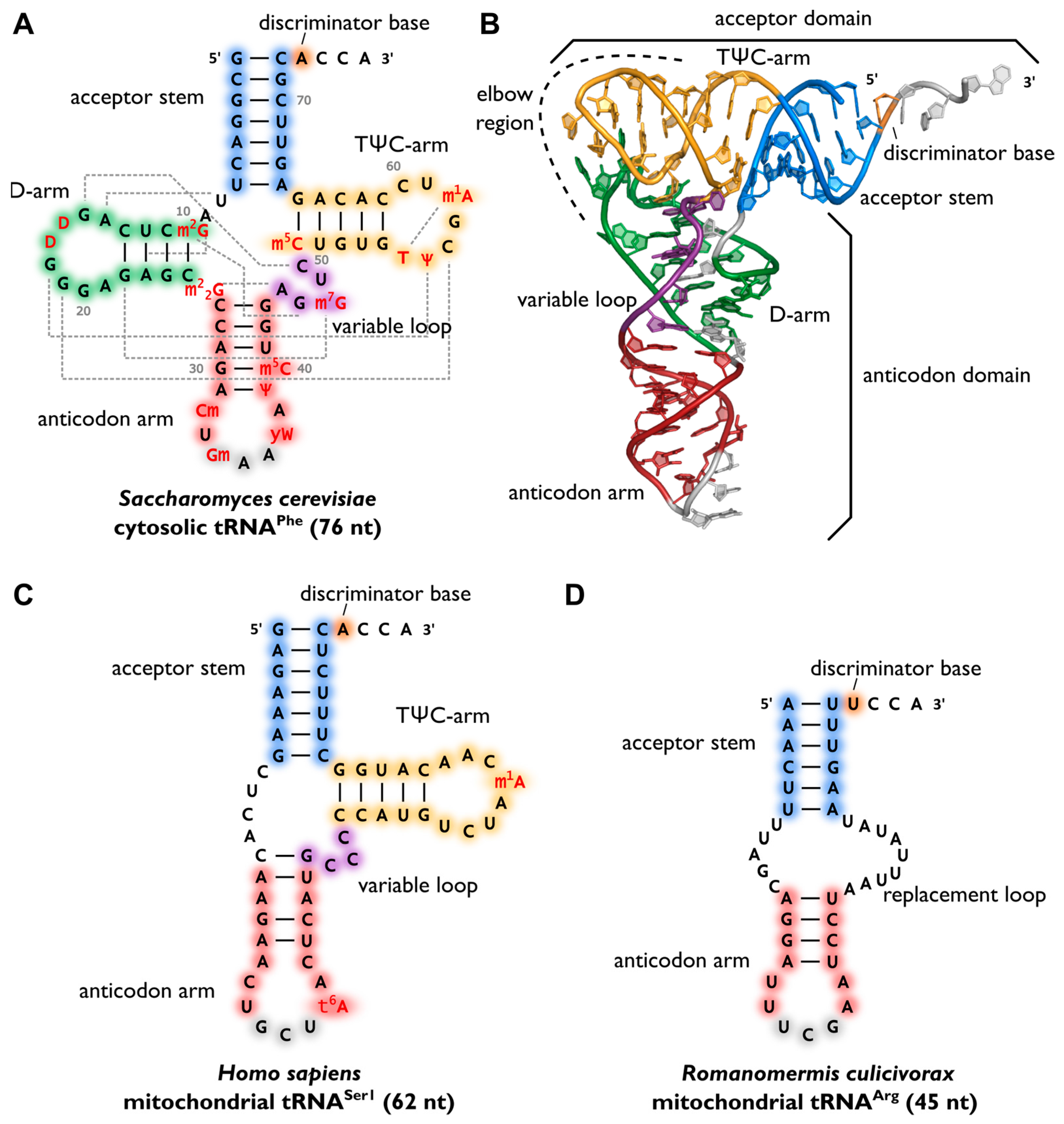
Biomolecules Free Full Text Trna Modifications Impact On Structure And Thermal Adaptation Html
This was isolated in our laboratories from approximately 200 g of bulk yeast transfer RNA which in turn was obtained by phenol extraction of approximately 140 kg of commercial bakers yeast.
Yeast transfer rna. Application RNA from yeast is used in studies which use natural RNA in an in vivo and in vitro protein-synthesizing system. It is tentatively concluded that the yeast amber suppressor does not contain a transfer RNA altered in the anticodon. General description RNA from yeast is the total RNA obtained from Saccharomyces cerevisiae.
TRNAs are approximately 80 nucleotides long RNA molecules with a cloverleaf shaped secondary structure and a tertiary L-shaped structure. Three-dimensional structure of yeast phenylalanine transfer RNA at 30angstroms resolution. Cysteine tRNA has been identified as a cytokinin-containing tRNA species in S.
As the link between amino acids and nucleic acids tRNAs determine the genetic code. Yeast tRNA is suitable for use as a carrier in nucleic acid purification and precipitation procedures. 821974 The 3-angstrom electron density map of crystalline yeast phenylalanine transfer RNA has provided us with a complete three-dimensional model which defines the.
It is supplied in lyophilized form. T The knowledge of their tertiary structure and interactions with proteins and ribosomes is important for the understanding of mechanisms involved in protein biosynthesis. 10131983 Transfer RNA was isolated by phenol extraction DEAE-cellulose chromatography and ethanol precipitation 191.
Transfer RNA Post-Transcriptional Processing Turnover and Subcellular Dynamics in the Yeast Saccharomyces cerevisiae Anita K. Transfer RNA from super-suppressor mutants of Saccharomyces cerevisiae cannot suppress an amber mutation in vitro in an E. 611967 The intensity of x-ray scattering and the radius of gyration were measured for a mixture of yeast transfer RNAs in tenth molar potassium chloride.
Not for use in diagnostic. When used at a final concentration of 1020 gmL yeast tRNA is an effective coprecipitant to aid in recovery of small amounts of nucleic acids. Total tRNA was enzymatically digested to nucleotides with a mixture of T and T ribonucleasesand where appropriate bacterial alkaline phosphatase was used for the subsequent conversion to nucleosides 19.
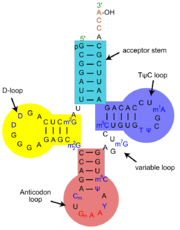
Transfer Rna Trna Proteopedia Life In 3d
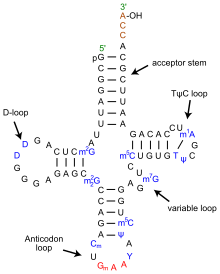
Cloverleaf Model Of Trna Wikipedia
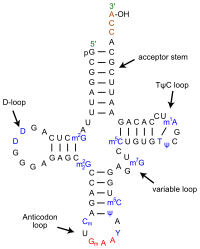
Structural Biochemistry Nucleic Acid Rna Transfer Rna Trna Wikibooks Open Books For An Open World
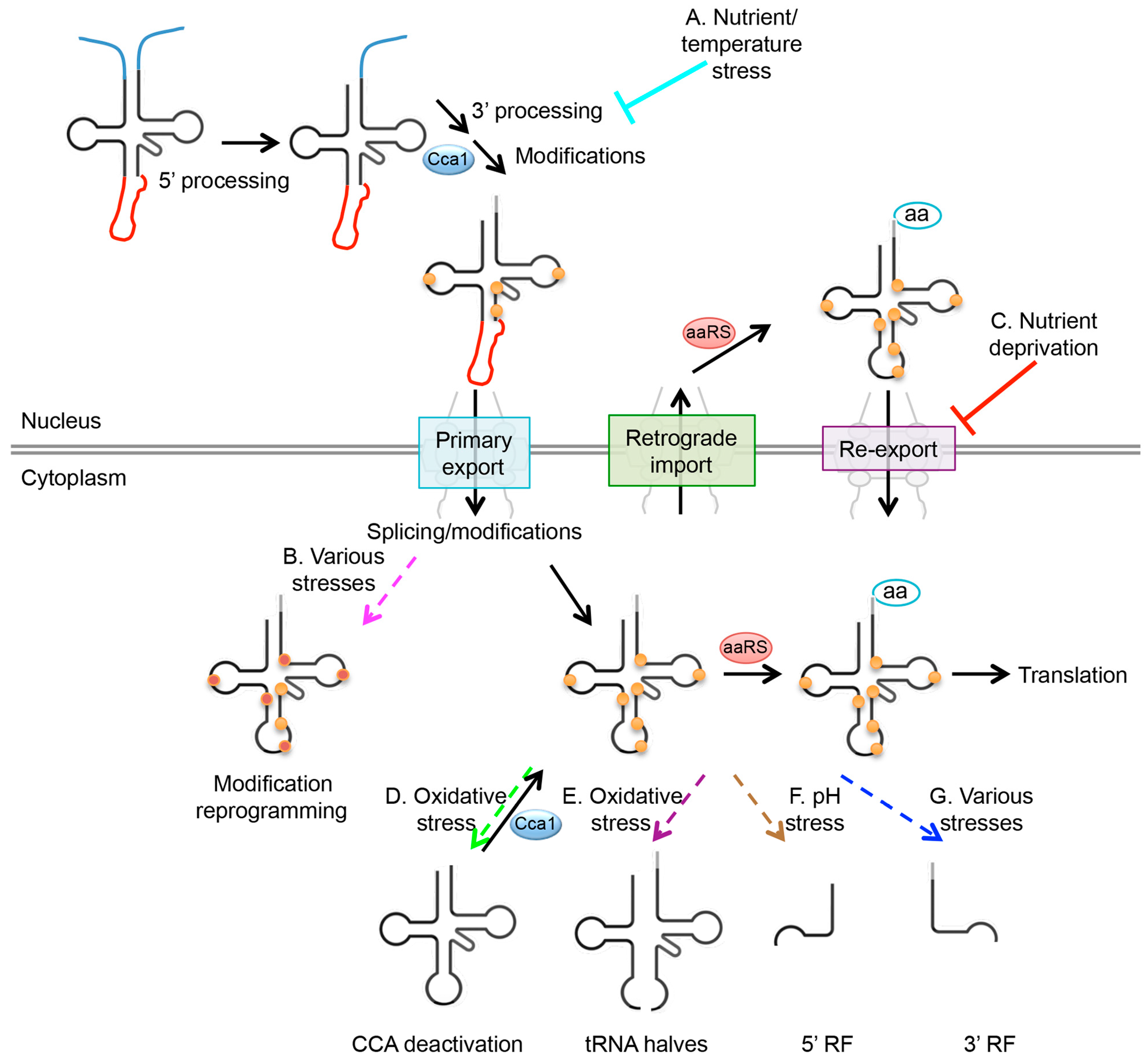
Life Free Full Text Multiple Layers Of Stress Induced Regulation In Trna Biology Html
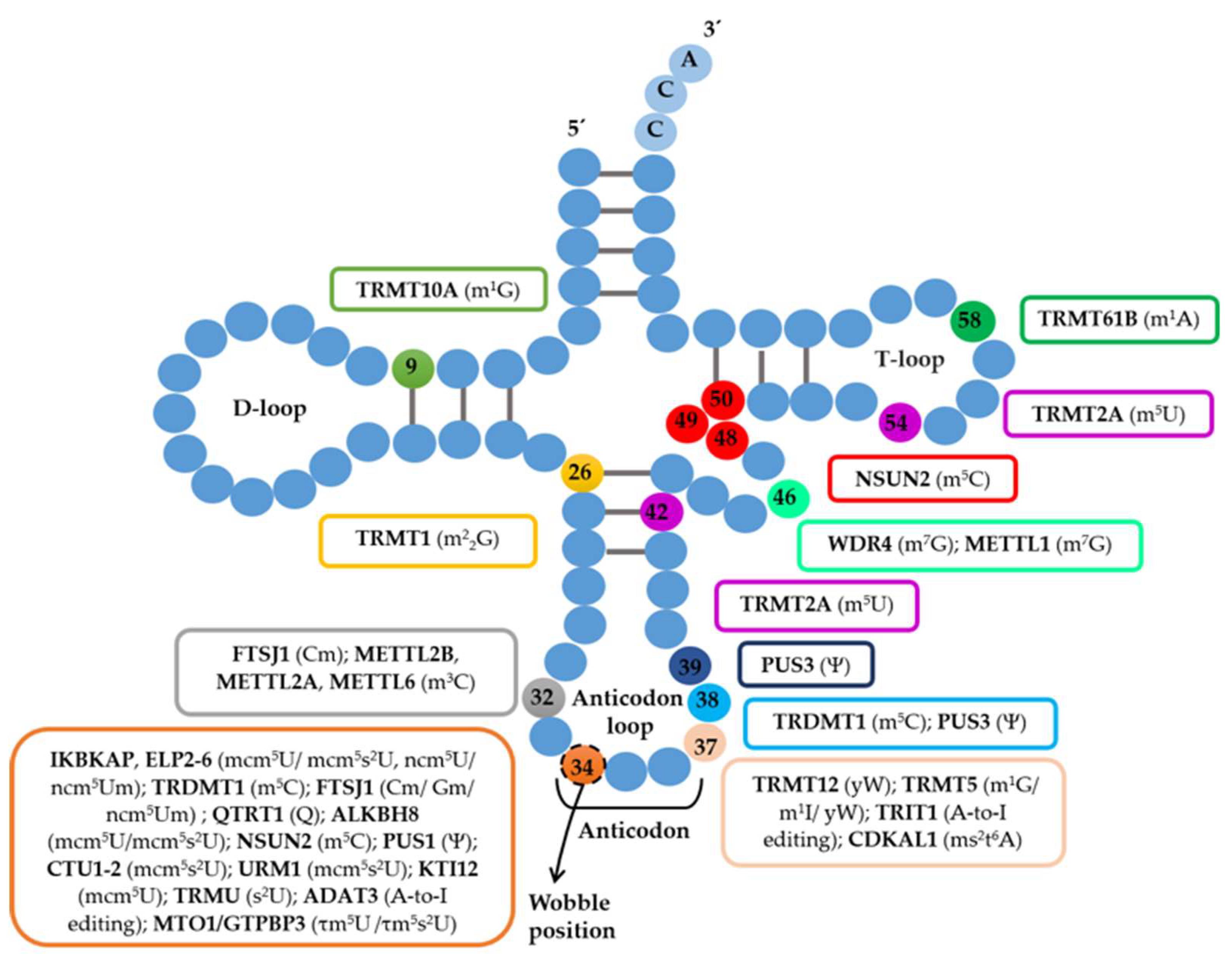
Ijms Free Full Text Impact Of Trna Modifications And Trna Modifying Enzymes On Proteostasis And Human Disease Html

Alternative Tertiary Structure Of Trna For Recognition By A Posttranscriptional Modification Enzyme Cell

Anticodon Stem Loop Asl Modifications In Yeast Trna At The Wobble Download Scientific Diagram
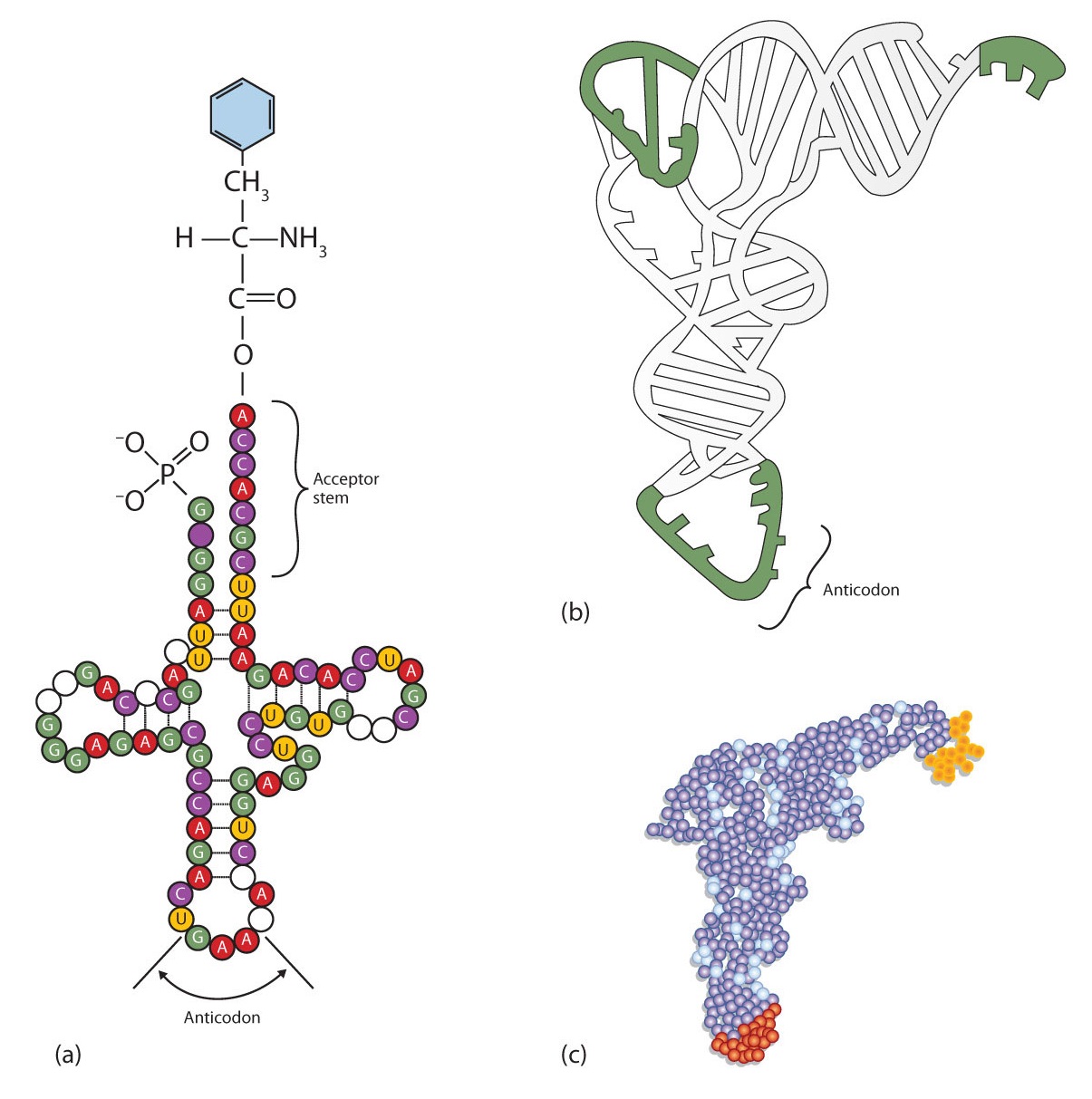
16 11 Rna Protein Synthesis And The Genetic Code Chemistry Libretexts
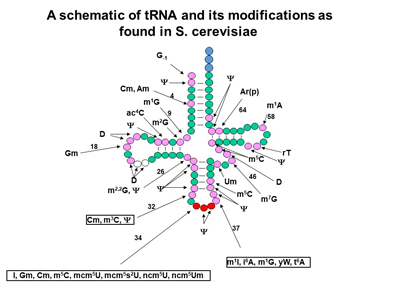
Phizicky Lab University Of Rochester Medical Center

The Role Of Rna Modifications In The Regulation Of Trna Cleavage Lyons 2018 Febs Letters Wiley Online Library

Differentially Modified Adenosine 34 To Inosine 34 I34 In Trna Ser Download Scientific Diagram
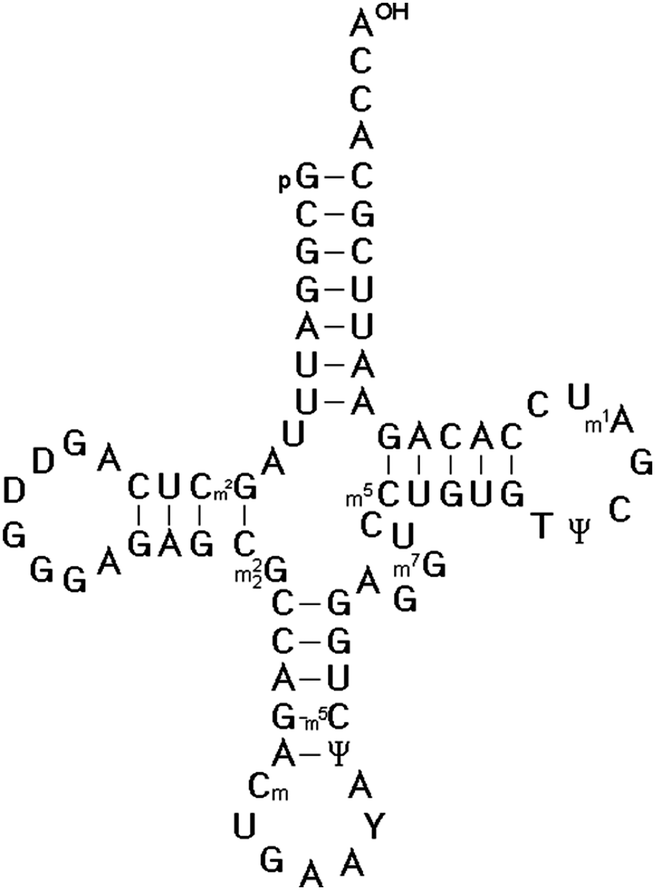
Trna The Golden Standard In Molecular Biology Molecular Biosystems Rsc Publishing Doi 10 1039 C5mb00557d
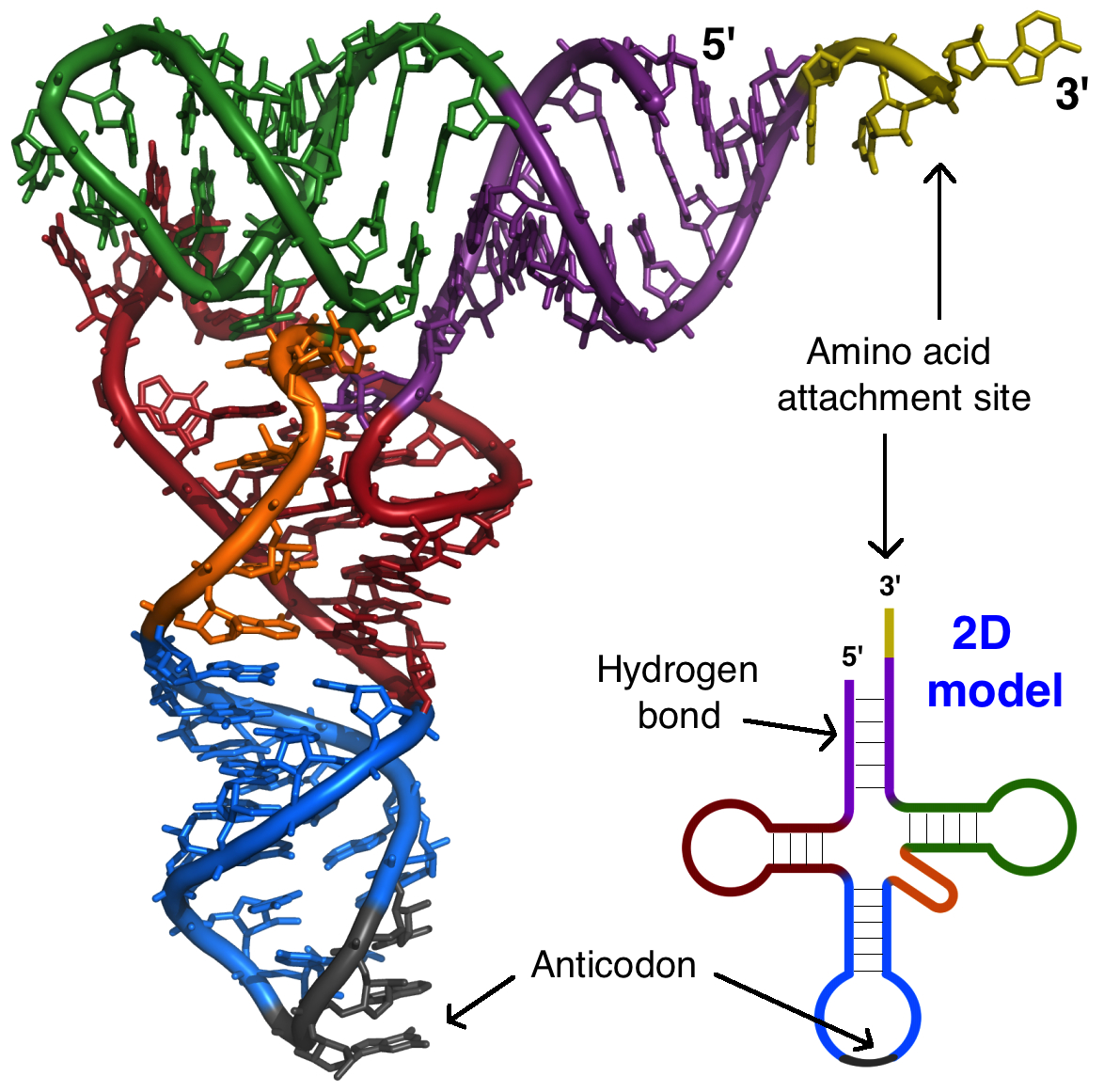
Trnas And Ribosomes Article Translation Khan Academy
