

Zone Transfer Over Udp
When Does Dns Use Tcp Or Udp Network Interview
Dns Zone Transfer Briskinfosec
Zone Transfer Attack To Dns Null Byte Wonderhowto
Zone Transfer Attack To Dns Null Byte Wonderhowto

Top 5 Commands To Test Dns Zone Transfer In 2 Minutes All About Testing
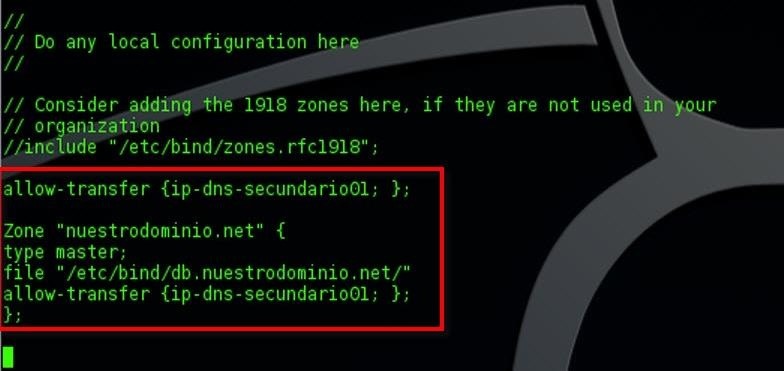
Zone Transfer Attack To Dns Null Byte Wonderhowto
In order to maintain a consistent DNS database between DNS Servers.
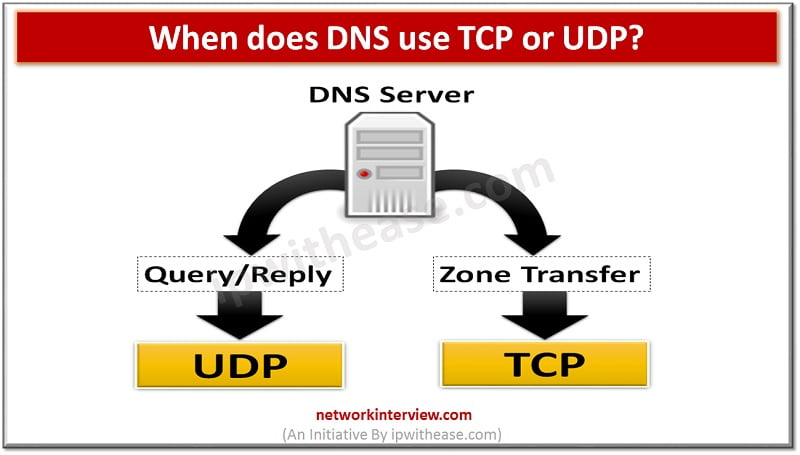
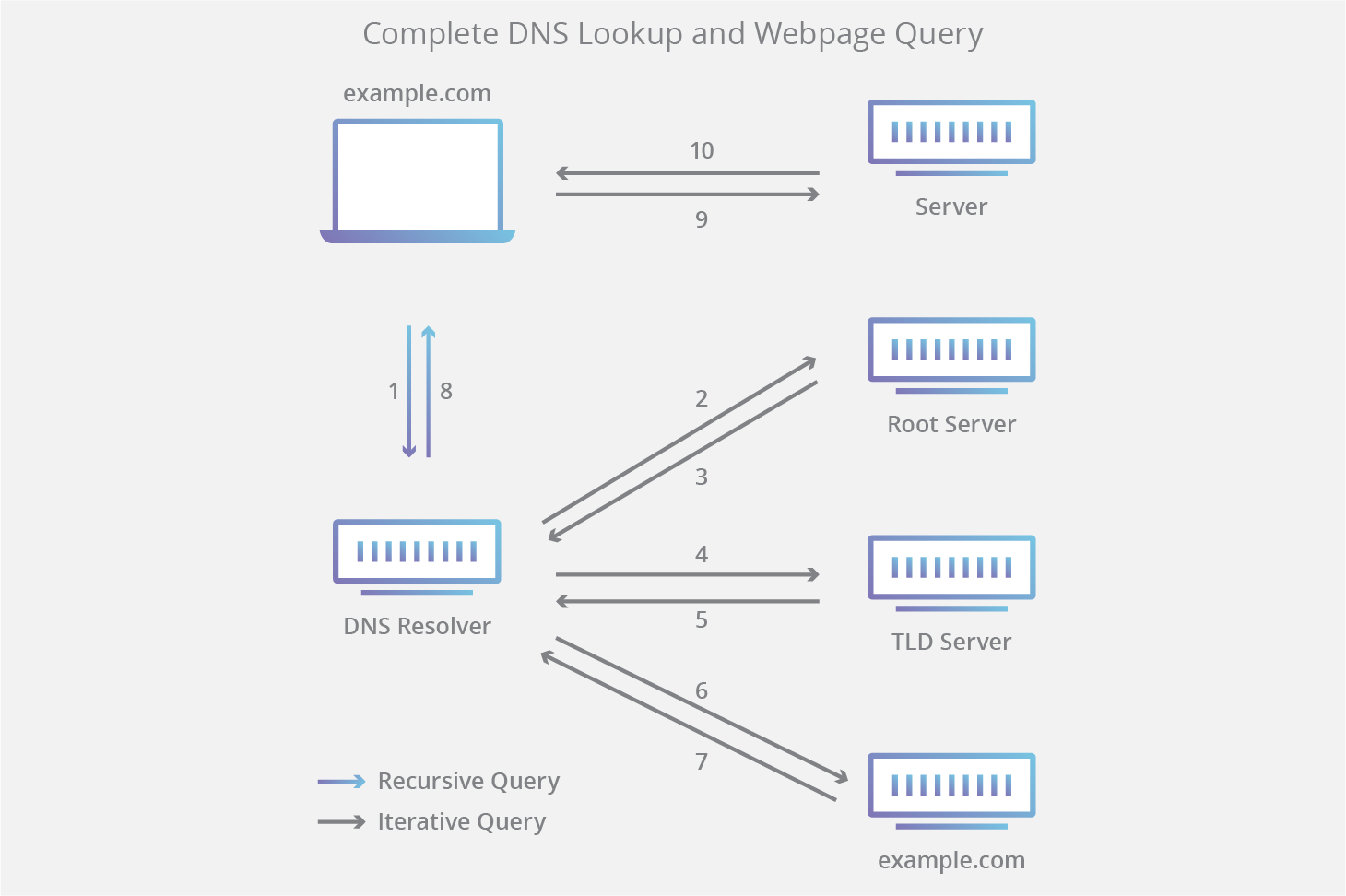
Zone transfer over udp. TCP is used for zone transfers. If a client doesnt get response from DNS it must retransmit the data using TCP after 3-5 seconds of interval. 1122011 Everyone knows that zone transfers occur over TCP port 53 and queries occur over UDP port 53.
TCP or Transmission Control Protocol is the more widely known and used protocol for file transmission however falls short in comparison when it comes to transferring large files at fast speeds. The DNS uses TCP Port 53 for zone transfers for maintaining coherence between the DNS database and the server. To see the packets being sent use Wireshark.
Zone transfers take place over TCP port 53 and in order to prevent. This is how DNS builds its resilience on the Internet. An interesting fact about DNS zone transfers is that they usually rely on TCP port 53 instead of UDP port 53.
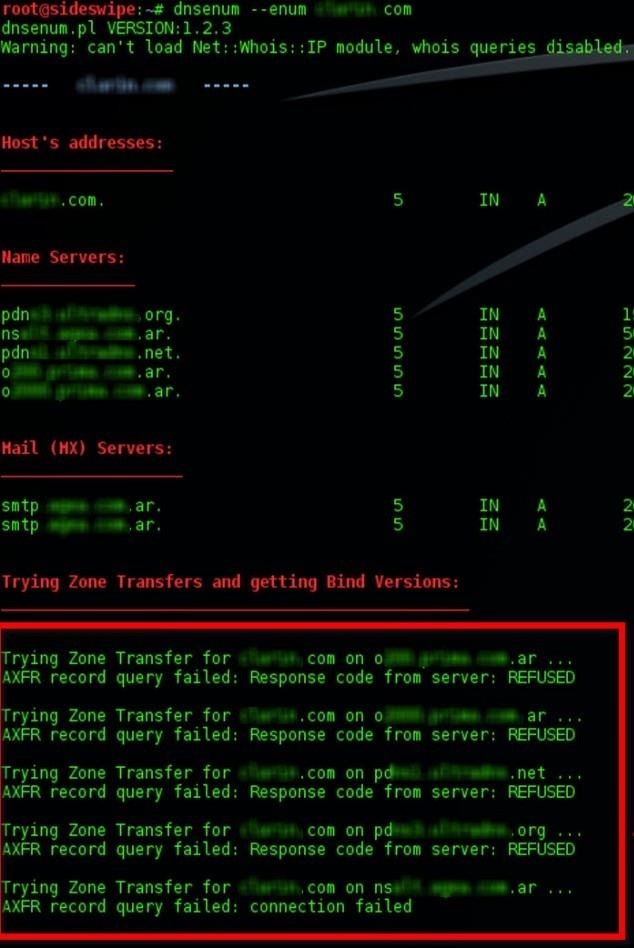
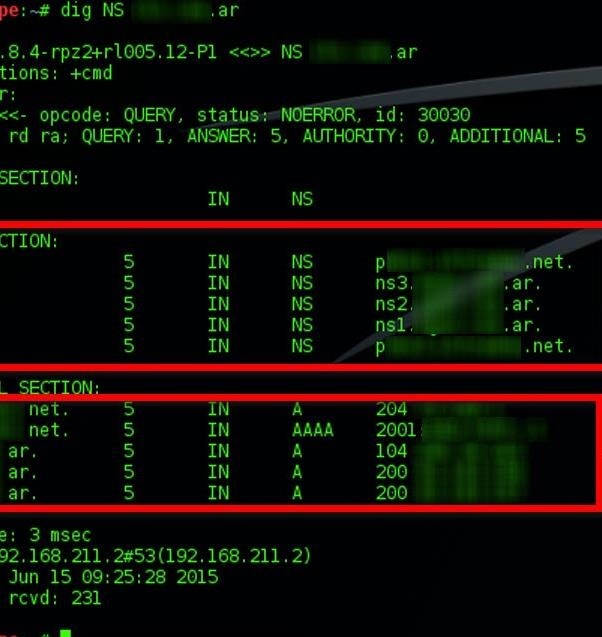
To actually complete a zone transfer on a vulnerable DNS server you could issue these commands. DNS uses UDP for DNS Queries over Port. 1042018 UDP which stands for User Datagram Protocol is a method used to transfer large files across the Internet.
The connection is established between the DNS Server to transfer the zone data and Source and Destination DNS Servers will make sure that data is consistent by using TCP ACK bit. For more information or for a valid transfer mechanism to test head over to the site zonetransferme DigiNinja a well known security researcher has made the domain zonetransferme available for testing and learning so you can test the online zone transfer tool with the deliberately configured zone transfer capable domain. 442020 Considering such use case it is rational to use UDP when communicating with DNS for translation of domain name.
Such settings are typically disadvantageous for the more common TCP protocol. This happens once every 500 mSeconds. 3122020 DNS uses TCP for Zone transfer and UDP for name queries either regular primary or reverse.
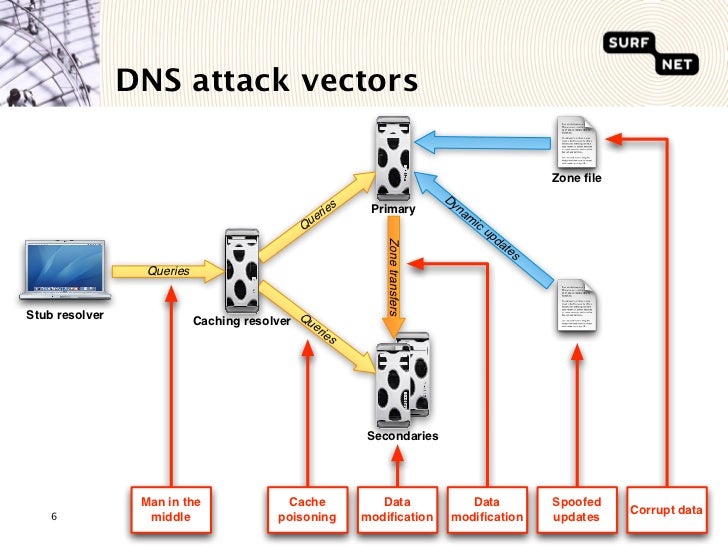
Custom Essay Amazonia Fiocruz Br

Dns Zone Transfer In The World Of Networking Computers By Briskinfosec Medium
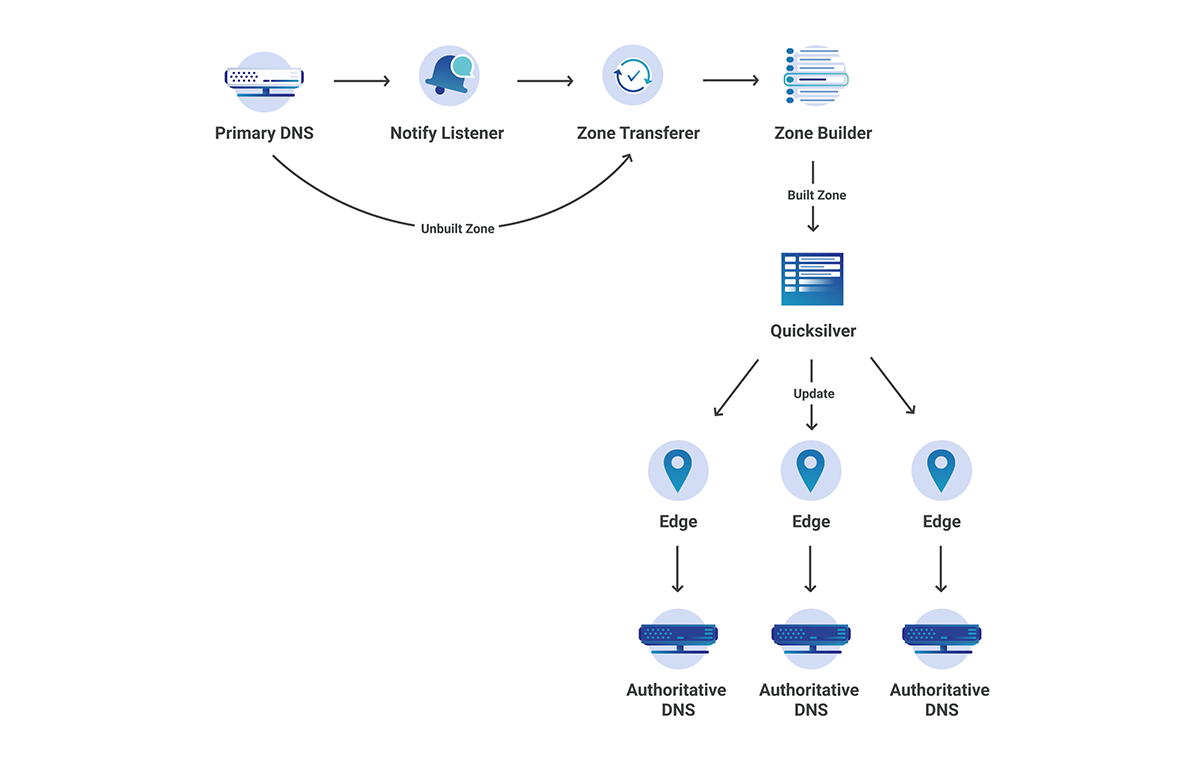
Secondary Dns Deep Dive Laptrinhx

Dns Zone Transfer Lookup Free Axfr Test Pentest Tools Com
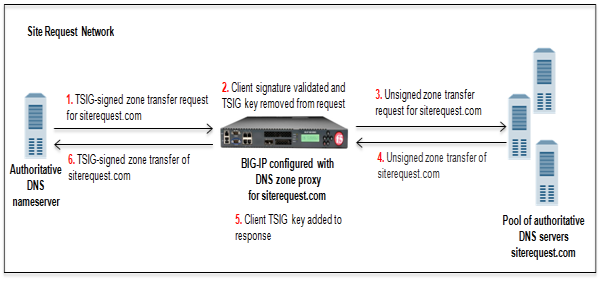
Askf5 Manual Chapter Configuring Big Ip To Load Balance Zone Transfer Requests To A Pool Of Dns Servers

Dns Zone Transfer In The World Of Networking Computers By Briskinfosec Medium
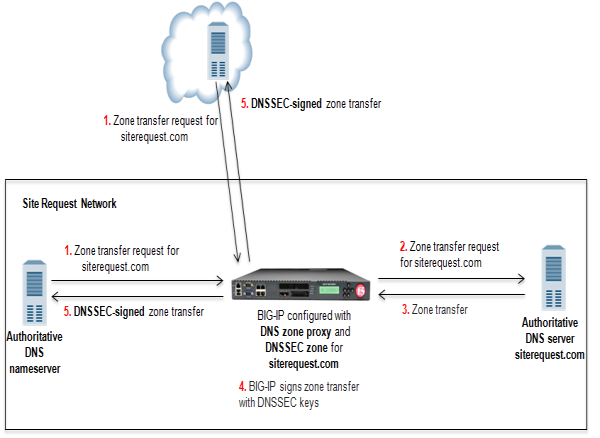
Askf5 Manual Chapter Configuring Dnssec
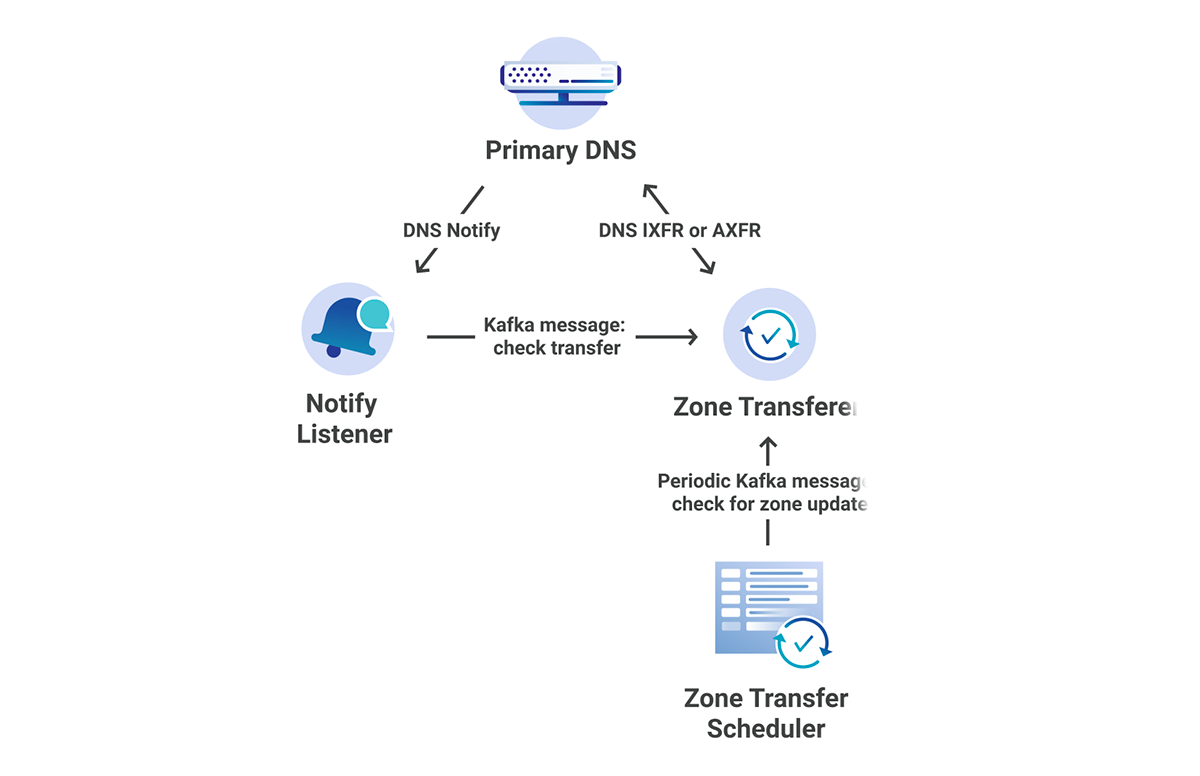
Secondary Dns Deep Dive Laptrinhx

Windows Server 2008 Zone Transfers And Name Server Tabs Youtube
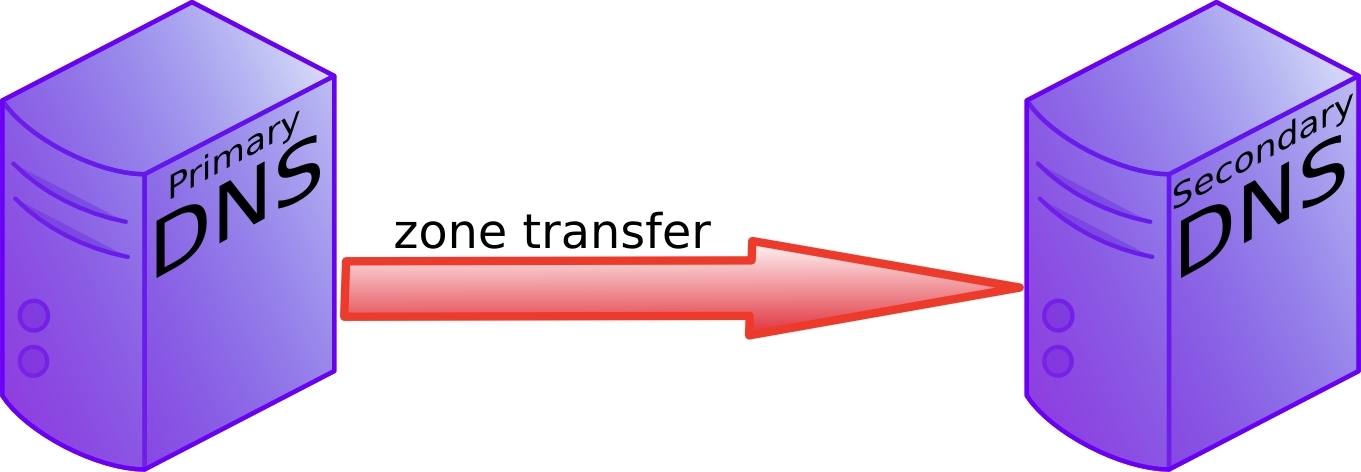
Chapter 4 Introduction To Dns

Step By Step How To Configure Dns Zone Transfer In Windows Server 2016 Just A Random Microsoft Azure And Computing Tech Info

Dns Zone Transfer In The World Of Networking Computers By Briskinfosec Medium

Mikrotik Router Configuration Securing The Dns In Mikrotik
